

























































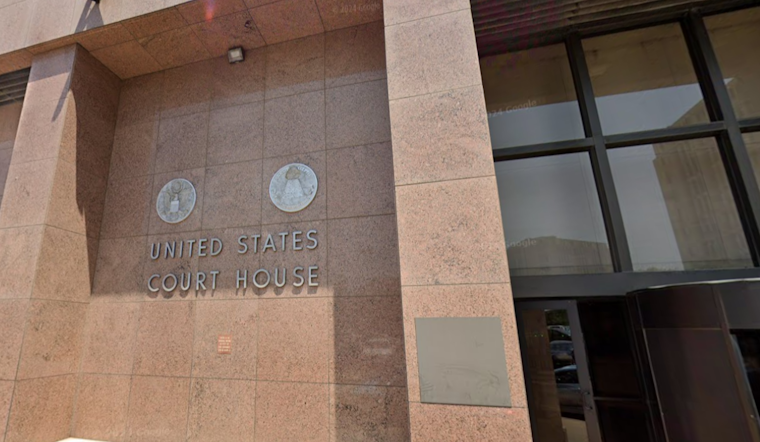
Christopher Kirchner, the founder of the logistics software company Slync, has been sentenced to two decades behind bars after a conviction for defrauding investors to the tune of tens of millions of dollars, in a statement according to the Northern District of Texas U.S. Attorney's Office, Leigha Simonton announced. Kirchner, at age 37, and once the CEO of the company he launched in 2017, faced a termination by the board in 2022, with the legal battles that followed culminating in his sentencing yesterday, according to the U.S. Department of Justice.
The U.S. District Judge Mark Pittman, laying down the law, ordered Kirchner not only to serve time but also to pay back a hefty $65 million in restitution, after evidence presented showed that Kirchner lied about business operations, financials, customer relationships, and revenue projections to swindle investors out of more than $71 million between 2020 and 2022, during which time Kirchner initiated nearly 100 wire transfers from Slync’s account at Silicon Valley Bank to a JPMorgan Chase account only he controlled; and then to his personal bank accounts, without any apparent concern for the financial stability or the fate of the employees whose sweat carried the company.
Revelations during the trial brought to light Kirchner's opulent personal purchases, a grand list that included a $16 million jet, a suite at AT&T Stadium, and a parking lot's worth of luxury cars, alongside a collection of timepieces and other jewelry which serve as hallmark symbols of excess and a personal runway disconnecting from the fates of Slync's workers who faced payroll uncertainties. According to the U.S. Department of Justice, Kirchner's misleading machinations continued until the very end, as he strung along employees and investors with a bevy of fabrications while attempting to covertly funnel last-minute funds from new investors to cover the deformation of company liquidity.
In what unraveled as a final act of desperation, Kirchner, following his board suspension, wrested IT privileges from Slync employees, potentially to obstruct justice, causing the deletion of some 18 gigabytes of valuable company data. This attempt to purge his digital trail acted as a testament to his persistent unwillingness to play by the rules of law or of transparent and ethical business practices. The Dallas Field Office of the FBI took the lead on the investigation which was prosecuted with pointed diligence by Assistant U.S. Attorneys Joshua D. Detzky, Nashonme Johnson, and Jay Weimer, to ensure that the weight of the law firmly returned to balance.





