

























































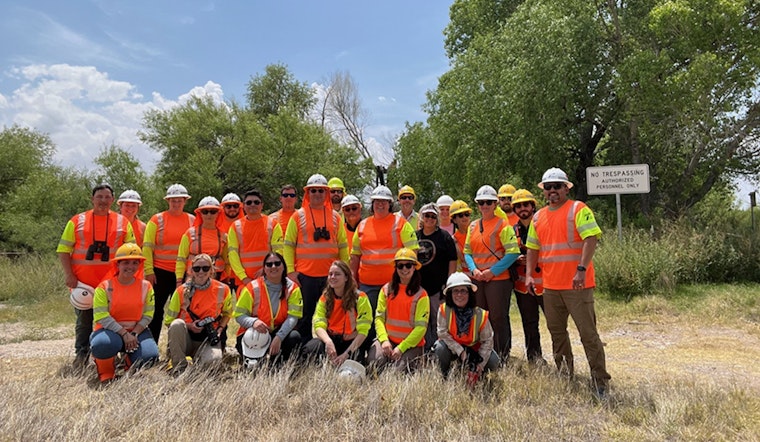
TxDOT’s West Texas environmental staff took a detour from their usual digital workspace to reconnect with the natural world and cultural history they are charged with safeguarding. According to a recent article from TxDOT, 25 environmental professionals embarked on a field training exercise in the Davis Mountains region.
The initiative was to significantly deepen their knowledge of the diverse ecosystems and cultural sites under their purview. They met with wildlife experts and Native American tribal representatives, learning first-hand about the significance of the protected resources, an experience that Rebekah Dobrasko, TxDOT environmental affairs director, highlighted as key for both professional development and improved job performance. “Getting the opportunity to learn about these resources from experts and see them yourself – versus behind a computer screen – is vital for professional development and improving your job performance as environmental staff,” Dobrasko explained in a statement obtained by TxDOT.
The trip included a series of visits to prairie dog towns, Comanche Springs, and the University of Texas at Austin McDonald Observatory, among other locations. The staff stood on the very ground that supports the diverse flora and fauna they protect. They observed bats, birds, and even the spring source for the Edwards Aquifer.
Moreover, this excursion was a chance to foster stronger relationships with the Mescalero Apache and the Ysleta del Sur Pueblo tribes. Holly Brady, a TxDOT environmental planner in Odessa, noted the rarity and value of such interactions. "This isn’t something we get to experience every day, and it gave me a better understanding of why it is important that we coordinate with these groups for certain projects,” Brady told TxDOT.
The lessons extended beyond heritage, with employees receiving insights on contemporary conservation struggles, such as the deadly impacts of White-nose Syndrome on hibernating bats. The team learned how to correctly identify threatened species, imperative for mitigating the ecological footprint of infrastructural projects. Adrian Aguirre, an environmental specialist from El Paso, spoke of the profundity of observing bat colonies under a bridge on SH 17 over Frazier Canyon, stressing the importance of thorough environmental assessments as highlighted by the TxDOT report.
Bridget Dawson, a project planner in San Antonio, praised the mental reset the course provided. "It's easy to get bogged down in the mundane of our jobs — the changing laws and regulations, redoing project clearances that are affected by these changes, and so on,” Dawson reflected in the TxDOT publication. She described “This environmental field training course was a grassroots revival of passion for everything that led the TxDOT environmental staff to this profession in the first place — our love for nature and the desire to better understand, protect, and preserve it.”




