

























































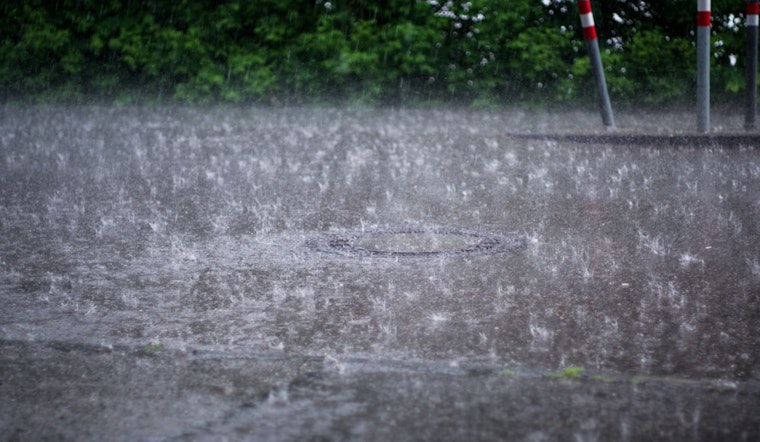
Washington D.C. residents and visitors are in for a wet and potentially stormy day, as the National Weather Service (NWS) forecasts showers and the chance of thunderstorms, with a high humidity that's typical for a capital summer day. According to the NWS Washington D.C., there's a 70% chance of precipitation today, with rainfall amounts likely between a tenth and quarter of an inch, though thunderstorms could bring higher quantities.
The evening continues with scattered showers, thunderstorms, and mostly cloudy skies that offer little respite from the earlier humidity. The chance of precipitation dips slightly to 30%, providing a glimmer of hope for a drier night. However, as the NWS warns, "Heavy showers and thunderstorms that move across the area through this evening could result in isolated instances of flooding in the urban centers."
Thursday will see the weather pattern persist with scattered showers and thunderstorms predicted to roll in around noon, clearing later in the evening. The skies remain mostly cloudy throughout the day, with the thermometer hovering around the mid-80s. Locals are advised to keep an eye out for a cold front expected to move across the area Thursday afternoon, with the potential for a few strong storms and, consequently, damaging wind gusts.
Looking ahead to the weekend, the outlook is sunnier and drier. The forecast for Friday through Sunday promises clear skies and temperatures climbing to around 90 degrees, a welcome change for those planning to venture outdoors. Yet, the workweek could start on a stormier note with "a chance of showers and thunderstorms," as per the NWS forecast for next Tuesday, with a 30% chance of precipitation.
Boaters should exercise caution as Special Marine Warnings may be required for any strong thunderstorms this afternoon to evening, and similarly on Thursday. Anyone out on the waters during these times should stay alert to changing weather conditions and seek shelter if needed. As for DC's landlubbers, it might be a good time to keep the umbrella close by and prepare for potential flash flooding, especially in areas prone to quick water build-up.





