

























































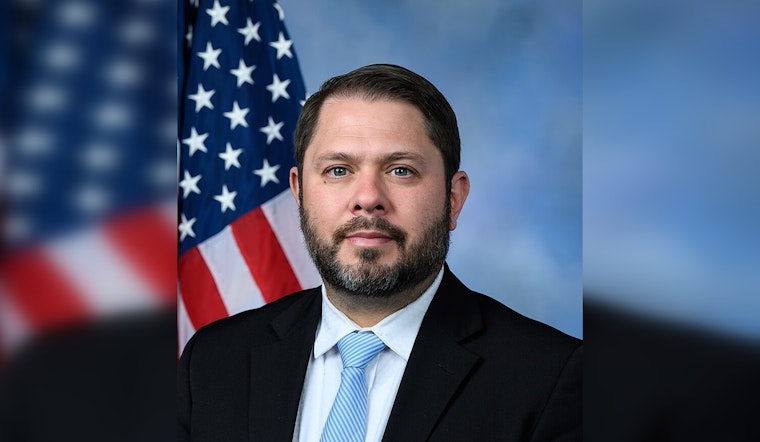
Arizona Congressman Ruben Gallego has taken a firm stance against fentanyl trafficking, as he calls for increased staffing at the southern border's Ports of Entry, in order to utilize advanced detection technology that could save lives. In a letter addressed to the Secretary of Homeland Security, as obtained by Gallego's official website, the representative emphasized the deadly impact of fentanyl, stating, "Fentanyl poses one of the greatest threats to our national security, killing thousands of Arizonans each year, and much of it is smuggled into the United States through Ports of Entry."
As Gallego informs, while the Tucson Sector nears adequate staffing projections based on agency modeling, there is room for improvement that could bolster the fight against fentanyl's grim tide; deploying more staff to these Ports could lead to greater efficiencies and potentially reduce the lethality of this public health crisis. The congressman, who also threw his support behind the Anti-Border Corruption Improvement Act, which prioritizes hiring for Customs and Border Protection (CBP) among individuals with law enforcement or military experience, is advocating for processes that he believes will ameliorate the daunting challenges at the border.
Continuing his legislative efforts, Gallego introduced the Direct Hire Act, which aims to streamline the hiring process in the U.S. Citizenship and Immigration Services (USCIS) and U.S. Immigration and Customs Enforcement (ICE) by providing a five-year direct hire authority for processing and enforcement officers. The urgency of these measures is underscored in Gallego's own words from his correspondence: "As I continue to push these efforts in Congress, I request that you prioritize staffing and technological implementation along the southern border. Doing so very well may be a matter of life and death," as mentioned in the press release.
Gallego's initiatives signify a multifaceted approach to the fentanyl crisis, not only focusing on improved border security but also on economic strategies to combat the illicit trade, as demonstrated by the representative's Buck Stops Here Act earlier this year; it grants the U.S. Treasury's Financial Crimes Enforcement Network increased authority to target institutions and transactions involved in fentanyl laundering, a bill that was signed into law in April, indicative of the concerted push to dismantle networks that bring ruin across state lines and indeed, deep into the heart of communities like those he represents in Arizona.





