

























































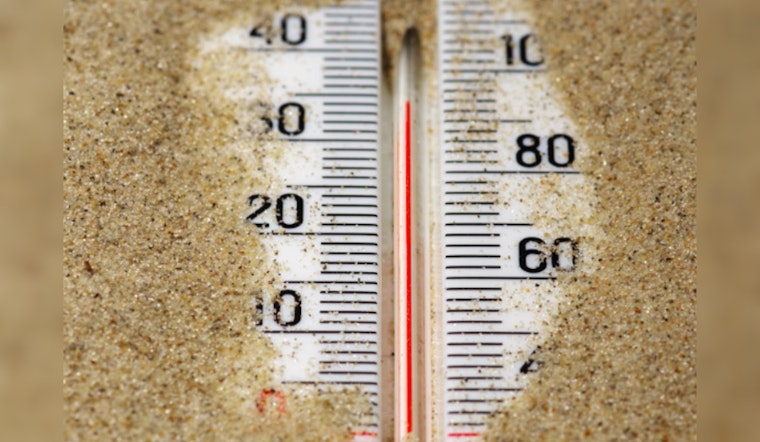
As the mercury soars to record highs, Arizonians are grappling with the tricky balance of soaking up the great outdoors and staying safe. With Arizona clocking in more than 300 days of sunshine annually and having recently gone through a scorching June, outdoor buffs need to cool it with their summer activities—or risk their health. In temperatures tipping over 90 degrees, it's advised to severely limit strenuous outdoor antics, and once the thermostat hits 105 or higher, it's best to camp out in an air-conditioned space, according to the Arizona Department of Health Services.
Michelle Thompson, the Deputy Assistant Director of Arizona State Parks and Trails, reminds us to not only respect but to properly prep for Mother Nature's less forgiving side. "Preventing heat-related illness starts with personal responsibility," Thompson points out, suggesting that a quick debrief with park rangers can provide invaluable insights to stave off trouble. Rangers come equipped with wilderness first-aid skills and keep tabs on day-use parking to monitor hiker activity—a fail-safe way to quickly notice when someone might be missing.
In these high temperatures, staying hydrated isn't just a recommendation; it's a must. Thompson says, "Hydrate adequately" and tote along "one to two liters per hour per person when active in the heat," as stated by the Arizona Department of Health Services. If you've guzzled half your water, turn back—it's the rule of thumb to make sure you're just as hydrated heading home. And when it comes to warding off intense sunshine, come kitted out with UPF clothing, a liberal application of sunscreen, a wide-brimmed hat, and UV-rated shades. These are non-negotiables for anyone stepping foot on Arizona's trails, as they double up as a defense against rising skin cancer risks.
But even the best-laid plans can skew awry under the cruel Arizona sun. Thompson lays down the law on recognizing heat exhaustion signs: "heavy sweating, weakness, nausea, and headache." If you encounter these, find a shady spot stat, rest up, and rehydrate. If things don't look up, heat stroke—an absolute medical emergency—could be knocking on the door. This is when you dial 911 and start to urgently cool down the person affected.





