

























































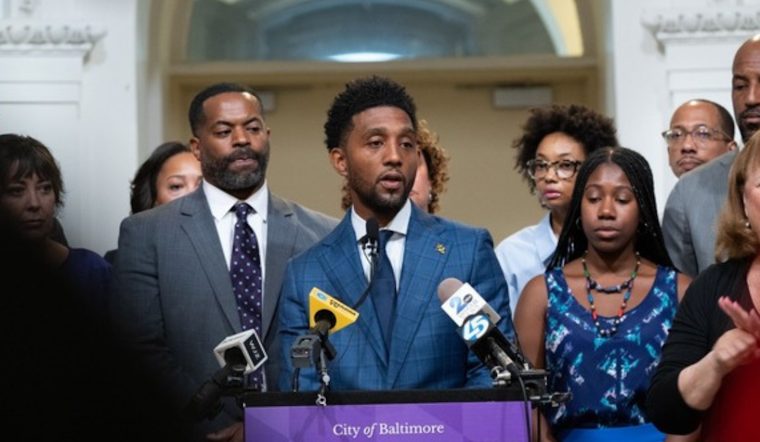
Mayor Brandon M. Scott has made a decisive move in the battle against the opioid crisis in Baltimore, signing an Executive Order to manage the influx of funds from settlements with pharmaceutical companies. According to the official press release from the City's website, $242.5 million has been secured, and Mayor Scott outlines a plan to judiciously administer these finances to the city's Health Department and other initiatives.
"Every community has been inflicted with the pain of the opioid overdose epidemic, but here in Baltimore, we have been disproportionately impacted - particularly due to the actions of reckless bad actors in big pharma," Mayor Scott stated in a press release. The Mayor’s Office, in cooperation with the Baltimore City Health Department, Department of Finance, and Mayor’s Office of Recovery Programs, crafted the order, and it emphasizes accountability and transparency, in the use, and management of restitution funds. Notably, a portion of the funds, amounting to $42 million, has been designated for various care providers and initiatives working on the front lines of substance use disorder.
The Executive Order also includes provisions for creating the Baltimore City Opioid Restitution Fund and parameters for responsible spending. A particular emphasis has been placed on prevention, treatment, recovery, and addressing social determinants of health impacted by the opioid epidemic. Moreover, a Trust has been established to ensure these funds make a lasting impact, with plans to sustain their effects for a minimum of 15 years.
Community engagement stands at the core of this new governance structure –– a strategy to be employed includes town halls, focus groups, and surveys for resident input. This echoes the words of Sara Whaley, Program Director of the Bloomberg Overdose Prevention Initiative and a senior practice associate at the Bloomberg School, who played an advisory role in developing the Executive Order. "This order is based on best practices from around the country and lays a foundation to ensure funds will have the greatest impact by protecting the dollars and ensuring their longevity, thinking holistically about the role of restitution funds as part of a broad overdose response, and rooting decision-making in the expertise of a diverse set of voices," Whaley explained, as detailed by city's press release. New positions such as an Executive Director of Overdose Response and Opioid Restitution Program Manager are to be established in the Mayor's Office, further bolstering the strategy.
Baltimore residents interested in shaping the future of the city’s anti-opioid measures can take a more direct role by applying to serve on the newly established Restitution Advisory Board. The effort reflects Baltimore’s commitment to collective combat against an epidemic that has encompassed every facet of community life. Applications for the board can be found on the City's website.





