

























































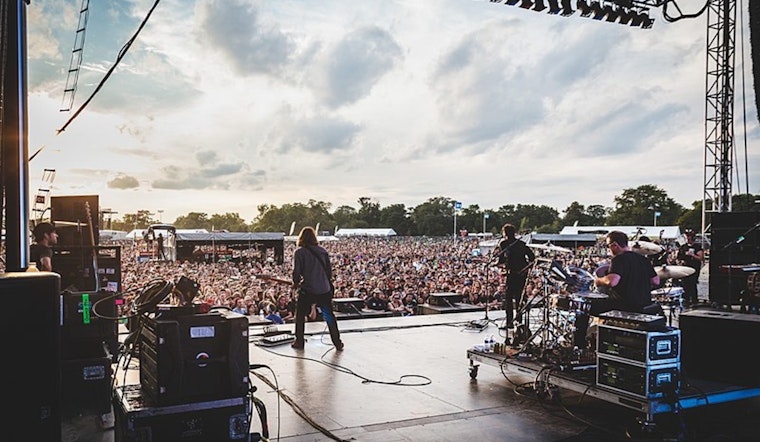
In a high-voltage twist to the festival season narrative, Riot Fest, the punk-rock mainstay of Chicago’s energetic music scene, is going back to its roots. Festival organizers have decided to ditch their recent relocation plans and instead set up shop once more at Douglass Park, turning tables on their June announcement that pitched a move to Bridgeview's SeatGeek Stadium.
The abrupt shift back to familiar turf was driven by "strong support from the North Lawndale leadership and community," attributed to the commitment expressed during discussions with city officials, as the Chicago Sun-Times reported. Michael Petryshyn, Riot Fest co-founder, was quoted commending the unmatched fervor of the fest's followers, saying, "We have the best fans in the world," pointing towards the dedication as a pivotal reason to keep the festival enshrined within city limits.
While community leaders like Ald. Monique Scott (24th) sees the event's return as a vehicle for economic stimulation and community enrichment, not everyone is enamored with the development. Chicago Park District CEO, Rosa Escareño signaled openness to the festival's return, pending a September board meeting which most expect will go without a hitch, saying, “As long as they come to the board meeting in September and meet all the requirements again, we will welcome them back,” as stated by the Chicago SUn-Times.
However, the beat skips for some Douglass Park locals, apprehensive about the impending tumult that accompanies the inflow of fest-goers. Their concerns range from the disruptions caused by increased traffic to the detritus left behind. Helix Valentine, a resident, lamented the upheaval, telling the Chicago Sun-Times, "It's kind of just like whiplash for the community because we just got this beautiful park back and everything is clean and organized."
Echoing the dismay, Anton Adkins said, "We are a place for them but it is not their home as they have said," as per WGN-TV. His statement underscores the dissonance between the event's economic promise and the lived experience of those on the neighborhood's front line.





