

























































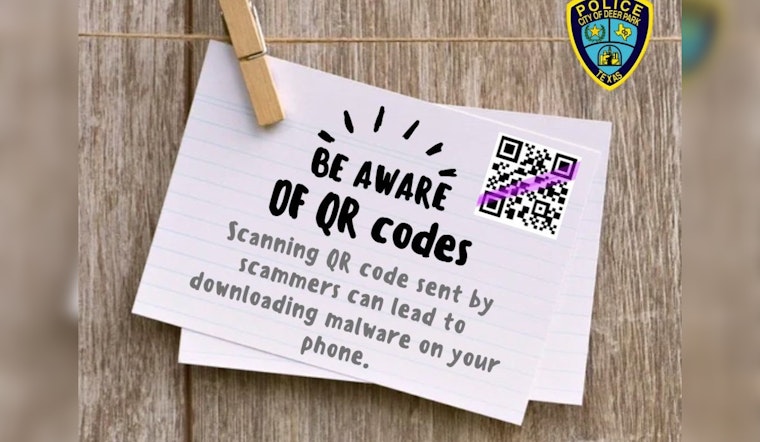
The Deer Park Police Department has issued a warning about a new type of phishing scam duping residents, known as "quishing." This deceptive tactic leverages QR codes to lead victims to harmful destinations. According to Fox 26 Houston, quishing scams may involve unsolicited packages or messages that come with QR codes which, when scanned, can compromise a person's private information or the security of their device.
In a recent operation, scammers have been utilizing the apparent legitimacy of QR codes in deceptive email campaigns. Security experts have raised the alarm, explaining that these emails mimic communications from well-known companies or brands but are in fact fraudulent. As reported by ABC 13, the embedded QR codes in such emails can redirect to sites harboring malware or looking to pilfer personal and financial details.
The local police urge caution, providing several pointers to spot these traps. They recommend never scanning QR codes from unknown or unverified sources and to be particularly suspicious if a website accessed via a QR code requests sensitive information like passwords. Verification of QR codes received by email or text is crucial, and any signs of tampering could indicate a scam.
Additional advice comes from Nick Hill of the Better Business Bureau, who urges consumers to check for the lockbox icon at the left corner of an URL and to ensure it begins with HTTPS, signaling a secure connection. Hill told ABC 13, "You're going to want to look for the lockbox icon in the left corner of the URL and also see if it starts with an HTTPS. Of course, the HTTPS stands for secure. If you see that and the lockbox icon, that's generally a pretty good sign that you're on a safe website."
If you find you may have fallen victim to a quishing scam, changing your passwords and securing financial accounts is advisable. Experts also recommend setting up two-factor authentication and fraud alerts for added layers of protection against digital deception. Stay alert and skeptical, especially when interacting with unsolicited digital correspondences containing QR codes.





