

























































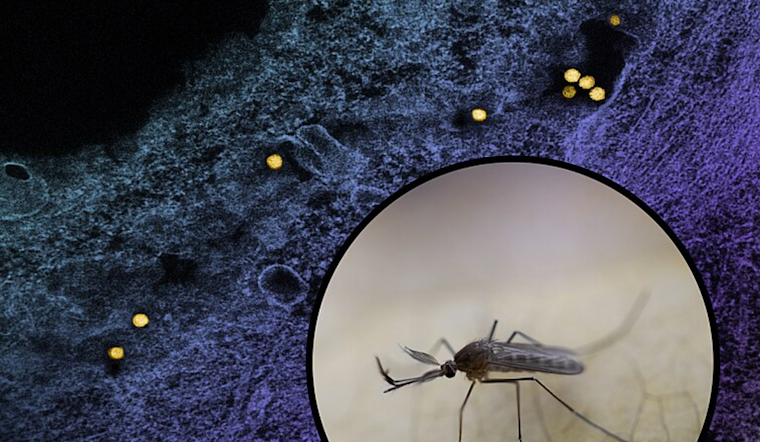
With the confirmation of the first human case of West Nile virus in a Denver resident this season, local health officials are sounding the alarm for heightened vigilance. The Denver Department of Public Health & Environment (DDPHE) is stressing the importance of community action in combating the spread of this mosquito-borne illness, especially considering the peak of Colorado's West Nile virus season is upon us.
The virus, which is not transmitted from person to person, typically sees a spike in cases around August and September. Despite being as early as May or as late as December, infected mosquitoes have bitten the unfortunate person, marking the onset of this year's risk period. Residents of Denver should expect the mosquito season to linger until the first freeze of fall, which often occurs around mid-October, following its late-April start.
To fend off the threat of West Nile, the DDPHE has released a series of steps for Denverites to minimize risks. They're emphasizing the significance of preventing mosquitoes from breeding in stagnant water near homes. Suggestions for these preventive measures include routinely emptying and scrubbing items that can hold water like buckets, planters, and toys, an approach meant to disrupt the mosquitoes' lifecycle.
The use of EPA-registered insect repellents that contain DEET is advocated as well. The DDPHE assures these are safe, even for those who are pregnant or breastfeeding, when used accordingly. Recommendations further extend to wearing protective clothing during dusk and dawn, the times when mosquitoes are out feeding. To keep your yard from turning into a mosquito nursery, residents must pay attention to surplus water, which can form pools by watering the street or the cement.
Those at a higher risk, including individuals over 50 or those with compromised immune systems, should be particularly cautious. The symptoms of West Nile virus range from fever and headache to more severe conditions like encephalitis or meningitis, with onset typically occurring three to 14 days post-infection. DDPHE is urging anyone experiencing symptoms to seek medical assistance. While there's no cure or vaccine for West Nile virus, symptoms can be treated to improve comfort and recovery prospects.





