

























































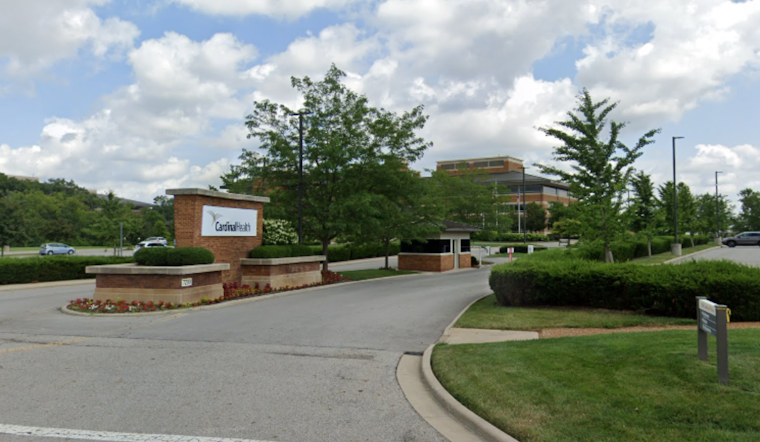
The Dublin Planning and Zoning Commission has rejected Dublin City Schools' proposal to convert the Cardinal Health headquarters into a new high school, as reported by NBC4i. The plan, which had Dublin City Schools settle on a purchase agreement for the 250,000 square-foot building at 7200 Cardinal Place, clashed with the city's broader vision, detailed in the "Envision Dublin" community plan. Implemented on August 1, the plan outlines a different trajectory for the city's development than the one proposed by the school district.
Meanwhile, at the Ohio Statehouse, bipartisan support is beginning to firmly rally around a proposed tax cut for the state's tipped workers. House Bill 643, championed by Rep. Jay Edwards (R-Nelsonville), aims to exempt tips and gratuities from state income tax. "These aren't people getting rich. These aren't millionaires. These are blue collar people that are trying to get by," Edwards told WDTN. The bill is currently a single sentence and won't see full language development until the legislature reconvenes in November after the summer recess. However, the intent is clear, to aid working-class Ohioans struggling with everyday expenses.
The bill's potential comes from both the support of local government and the hospitality industry, with John Barker, president of the Ohio Restaurant and Hospitality Alliance, expressing enthusiasm for any measure to help industry workers move forward. This legislative initiative echoes sentiments from the federal level, where both former President Donald Trump and Vice President Kamala Harris have floated similar ideas regarding taxation on tips. "I think that’s what makes this exciting. It is that you have both the people who are running for the White House," Barker said in an interview with WTRF, emphasizing attention to the needs of the average worker in the hospitality sector.
However, with any proposed tax cuts, there are concerns to navigate thoroughly. Legislators and advocates will have to work to ensure that such tax exemptions don't negatively impact important state revenue streams. As Barker pointed out, considerations include ensuring there's enough funding for worker's compensation and other essential services. The details, according to Barker, get "really deep, really fast." Rep. Casey Weinstein (D-Hudson) agreed, indicating an awareness among lawmakers that they must strike a careful balance as they craft this legislation, according to WTRF.





