

























































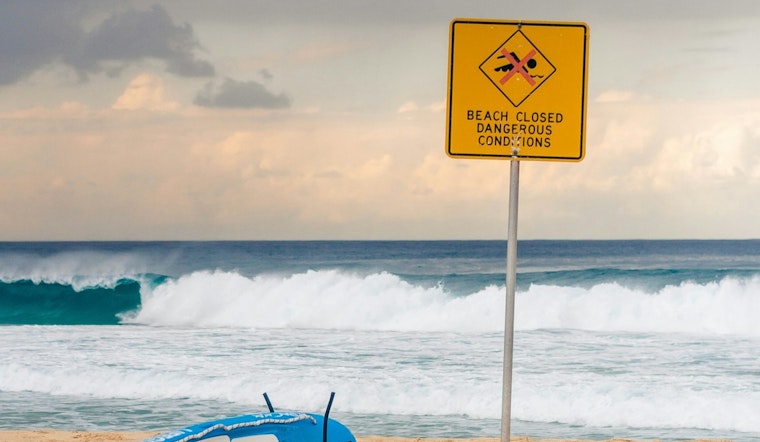
Residents looking to cool off in the lakes of Minneapolis hit a snag this week, as several popular beaches found themselves on the wrong side of water quality guidelines. E. coli, the unwanted guest at any beach party, has spiked to levels high enough to warrant temporary closures. According to the Minneapolis Park and Recreation Board (MPRB), the affected areas include Bde Maka Ska 32nd Street Beach, Bde Maka Ska North Beach, Lake Harriet Southeast Beach, Lake Hiawatha Beach, and Wirth Lake Beach.
MPRB, the steadfast watchdog over our municipal waters, routinely tests these recreational spots to ensure they’re safe for public enjoyment. But as of Tuesday, July 30, the aforementioned beaches have been slapped with a no-go for swimmers. While Wirth Lake Beach is the latest addition to the list, the others had been previously closed and continue to remain so. There haven't been any reports of sickness from the E. coli levels swiftly identified by MPRB, but the agency isn't taking any chances and has decided to temporarily shut them down ahead of potential risks.
While this news might disrupt some summer plans, not all hope is lost for Minneapolis residents looking to take a dip. There are seven other MPRB beaches that remain unscathed by this bacterial bloom and are open for public use, boasting acceptable bacteria levels. It's clear the watchful eyes of MPRB are on top of the situation, ensuring the public remains informed and safe while they work to resolve the issue at the closed locations.
Health safety is no small matter when it comes to our communal waters, and MPRB is on the ball with plentiful advice on how to swim healthy. They recommend avoiding ingestion of lake water, practicing good personal hygiene, and steering clear of swimming after heavy rainfall when bacteria are likely to have shot up.
For those itching for more information or seeking to carefully monitor the situation, you can dive into resources provided by MPRB. They offer an easily navigable map highlighting beach locations and their latest water quality statuses.





