

























































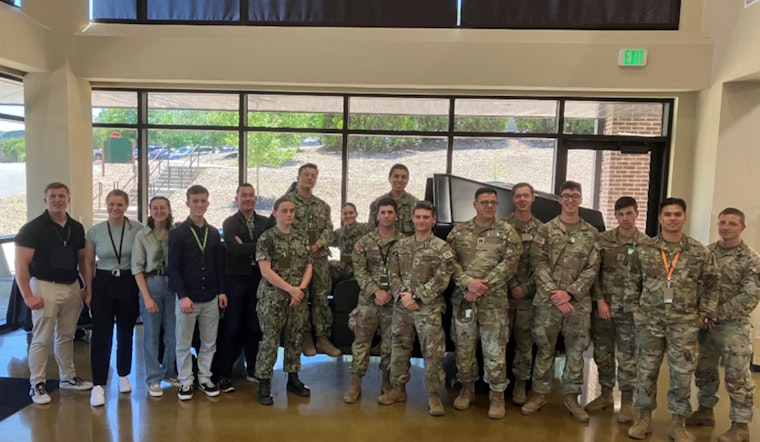
Army cadets with eyes on the nuclear defense sector took their education outside the classroom and straight to the source at Oak Ridge National Laboratory (ORNL), where history and the future of atomic energy merge. In a recent visit arranged by the Nuclear Science and Engineering Research Center (NSERC) associated with the Defense Threat Reduction Agency (DTRA), ten aspiring U.S. Army officers had the chance to immerse themselves in nuclear science's legacy, as reported by ORNL.
Dianne Ezell, group leader for ORNL's Nuclear and Extreme Environment Measurements group, underscored the importance of this partnership, "We are looking to build a stronger pathway between ORNL and DTRA regarding nuclear engineering," Ezell stated. She emphasized that a robust collaboration is vital for the "longevity of our DOE programs and ORNL's success," according to ORNL. The engagement hints at future opportunities for students as collaborators or army employees, ensuring the flow of skilled individuals to uphold the nation's defense mechanisms.
During their visit, the cadets gained insights into radiation-hardened electronics and inspected high-performance computing capabilities. Such electronics are vital, designed to endure the high radiation levels in space and nuclear settings, ensuring the reliability of military and space systems. Their tour also included the High Flux Isotope Reactor (HFIR) and a stop by the X-10 Graphite Reactor, the latter being a testament to the scientific efforts during the Manhattan Project and ORNL's persistent innovation.
According to the cadets, the experience was illuminating. "Our visit to ORNL gave me a better appreciation of how using state of the art, unique facilities like HFIR can be used to further fundamental science, but also be used to develop the future scientists and engineers who will be responsible for ensuring our nuclear deterrence remains safe, effective and reliable," one cadet reflected. Another cadet was struck by the historical significance of their visit, expressing that "Visiting the X-10 Graphite Reactor showcased the history of special nuclear material and demonstrated our nuclear deterrent is founded on science and engineering," as per the same news source.
The collaboration between ORNL and DTRA isn't a one-off but part of a continuum, reinforcing the military's knowledge base. Maj. Dave Fobar, deputy director of NSERC, told ORNL News, "These future officers will take their experiences forward throughout their military career, increasing the nuclear literacy of the armed forces, and potentially influencing their career decisions to contribute to the nuclear weapons enterprise." Such initiatives cement the bond between educational programs and the Department of Energy's endeavors to tackle pivotal challenges of our era.





