

























































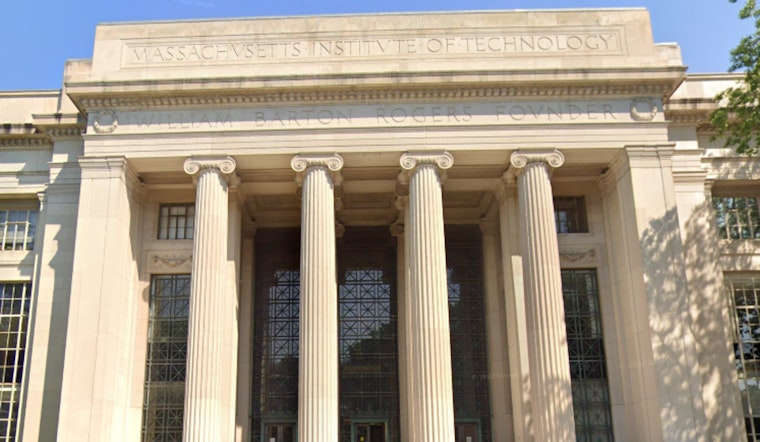
Medical therapies could undergo a significant transformation if current research pans out. Sayo Eweje, an MD/PhD student at the conjoined Harvard-MIT Health Sciences and Technology program, is on a quest to fine-tune the way RNA and protein therapies are delivered within the human body. According to an MIT report, his work could potentially sidestep the current, more invasive methods of treating inherited blood disorders with gene editing.
Eweje, now in the fourth year of his PhD at the Harvard-MIT Program in Health Sciences and Technology, chose to forego a solely medical career for a richer blend of patient care and laboratory research. It wasn't disease alone that intrigued Eweje, but also the underpinnings of medical science that led to landmark breakthroughs in treatment. His pivot into research came upon the realization that the major hurdle in treating many diseases is the effective delivery of therapeutics.
The primary angle of his research, situated in Elliot Chaikof's laboratory at the Beth Israel Deaconess Medical Center, concentrates on engineering nanoparticles to transport gene-editing tools directly to the malfunctioning cells within the body. These developments, as Eweje noted in an article for Biomaterials, draw from protein materials less likely to trigger the immune system - a key advantage over the traditionally used viral vectors.
Alongside his academic and research pursuits, Eweje carves out time for outreach and educational efforts. He co-manages the Critical Healthcare Information Integration Network (CHIIN), fostering access to medical knowledge for health workers in remote, internet-comprised regions of Africa. Eweje told MIT News, "Everyone should have the right to explore their fullest potential,” expressing the importance of such extracurricular efforts in expanding opportunities for learning and growth.
As Eweje prepares to conclude his time in the program and continue his clinical work at Harvard Medical School, the fusion of clinical medicine, and biotech innovation remains at the forefront of his career vision. There's still work to be done in order to establish nonviral, protein-based nanoparticles as a standard delivery mechanism for gene therapies, but his determination to bring accessible, advanced treatments to the forefront of medicine is clear. Whether through a microscope or a one-on-one consultation, Eweje's focus on the science of healing signposts a future of noteworthy developments in the way we confront medical challenges.



