

























































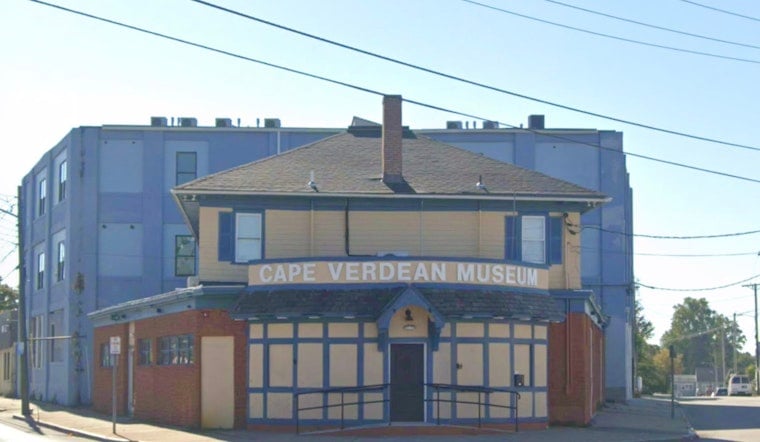
A 26-yard patch of grass cut from Hard Rock Stadium's World Cup pitch is on its way to Pawtucket, Rhode Island, where it will become the newest artifact inside the Cape Verdean Museum. The grass marks the exact spot where full-back Sidny Lopes Cabral struck the goal that FIFA later named the goal of the tournament, a moment that briefly leveled Cape Verde's Round of 32 clash with defending champion Argentina.
According to Miami New Times, the Hard Rock Stadium grounds crew cut out the precise section of turf where Lopes Cabral's shot found the net, and the Miami Dolphins organization joined the stadium in sending the piece to the museum along with a note congratulating the Pawtucket institution on the gift. The stadium hosted seven matches during the 2026 tournament, and the pitch itself was cultivated at a private Dolphins sod farm in Loxahatchee Groves, Florida, where Bermudagrass was grown under FIFA technical guidelines specifically for the venue, according to edhat.
Cape Verde pushed Argentina to extra time on July 3 before falling 3-2, with Lopes Cabral's goal arriving in the 103rd minute to briefly draw the match level at 2-2, per Wikipedia's account of the tournament. The Miami New Times report notes the moment capped a historic knockout-round run for Cape Verde in its first-ever World Cup appearance, a milestone Hoodline previously covered when the tiny island drew Spain in its debut.
Why Pawtucket Was the Natural Landing Spot
The Cape Verdean Museum sits at 617 Prospect Street in Pawtucket, chosen as the museum's expanded permanent home because the city holds the highest concentration of Cape Verdean residents of any municipality in the United States, according to the museum's own account of its history. The institution began in 2005 in East Providence under founder Denise Oliveira before relocating to its larger Pawtucket facility in 2022, per Wikipedia, standing as the first U.S. museum dedicated exclusively to Cape Verdean history and culture. A $100,000 grant from the Rhode Island State Council on the Arts helped finance the move into the larger space, Wikipedia notes.
New England's connection to Cape Verde runs deep and predates the museum by more than a century. An estimated 1.5 to 2 million people of Cape Verdean descent live abroad, more than triple the island nation's resident population, with New England hosting the largest U.S. diaspora since 19th-century whaling crews first settled in the region, according to the New Bedford Whaling Museum.
A Sports Exhibit Built During Cape Verde's Run
The museum did not wait for the artifact to start celebrating the national team known as the Blue Sharks. Throughout June and July, it served as a regional watch-party hub for fans and built a dedicated sports exhibit alongside its existing historical displays, according to a Facebook video posted by the museum. That groundwork made the museum a logical home once stadium operators in Miami decided to send a physical piece of the pitch north.
The Miami New Times report states the museum plans to preserve the field piece and display it within that 2026 Blue Sharks sports section. Cape Verde, a nation of roughly 525,000 people, became the smallest country by land area ever to reach a World Cup knockout stage, advancing out of Group H behind Spain after draws with Spain, Uruguay, and Saudi Arabia, per Wikipedia's World Cup entry. The team had clinched its first-ever berth on October 13, 2025, beating Eswatini 3-0 to win African qualifying Group D ahead of Cameroon, according to FIFA.
The Player Behind the Goal
Lopes Cabral was born in Rotterdam, Netherlands, on September 18, 2002, to parents from Cape Verde's Santiago Island, and he plays professionally as a full-back for Turkish Süper Lig club Trabzonspor, according to Transfermarkt. He previously played for SL Benfica and Estrela da Amadora before his move to Trabzonspor. His extra-time strike against Argentina, later voted the tournament's best goal, gave Cape Verde's improbable run its signature highlight even though Argentina ultimately won the match 3-2.
The journey from Miami's Hard Rock Stadium to a converted social hall in Pawtucket underscores how far Cape Verde's World Cup story traveled beyond the pitch itself. For a diaspora community that has watched matches in bars and living rooms from Brockton to New Bedford, as Hoodline detailed in coverage of regional watch parties, the arrival of an actual piece of that Miami turf gives the run a physical marker that will outlast the tournament.





