

























































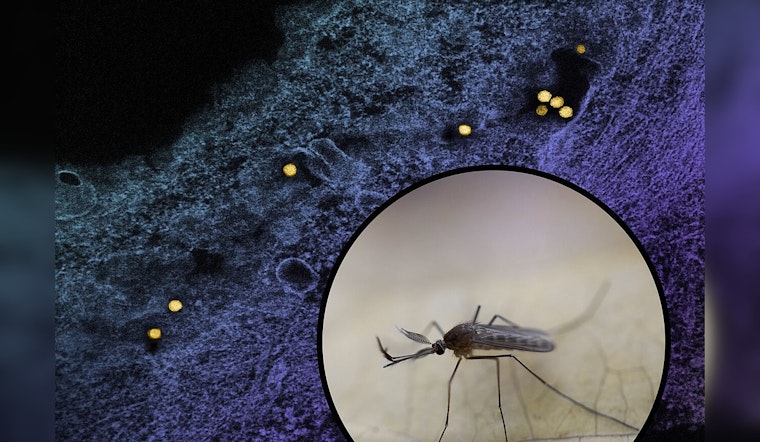
The Illinois Department of Public Health (IDPH) has reported the state's first West Nile virus (WNV) fatality of 2024. An individual in their 80s, residing in Lake County, began to experience symptoms in mid-August and succumbed to the disease shortly after, as detailed by the IDPH announcement. Alongside this unfortunate death, Illinois has to date confirmed nine non-fatal cases of WNV this year.
In addition to expressing condolences, IDPH Director Dr. Sameer Vohra emphasized the seriousness of the virus, particularly for the elderly and immunocompromised. "This death – and the six that occurred last year in Illinois - are a stark reminder that West Nile virus poses a serious risk," Dr. Vohra said. He urged the public to consistently take preventive measures "to 'Fight the Bite.'" IDPH advises people to reduce their exposure by maintaining proper window screens, using insect repellents, and eliminating standing water—a breeding ground for mosquitoes.
Current statistics indicate that Cook County bears the brunt of WNV cases, with other incidents reported in DuPage, Will, Winnebago, and Tazewell counties. A young individual of 33 had been the youngest person to contract WNV in Illinois last year, showcasing the virus's indiscriminate nature, even though the median case age was 67. Symptoms of WNV typically include fever, nausea, and muscle aches, and while most people do not exhibit any symptoms, severe cases can lead to meningitis, encephalitis, paralysis, or death.
With no specific treatment or vaccine available for WNV as of yet, preventative actions are the cornerstone of protection against this virus. IDPH's "three R's" strategy—reduce, repel, and report—are crucial steps the department encourages people to rigorously follow. Reporting potential mosquito breeding sites, like stagnant water, can allow for larvicidal intervention by local health authorities. So far in 2024, there have been 2,113 positive mosquito batches, 29 positive birds, and one positive horse, reflecting the virus's evident prevalence across 57 counties.
Surveillance efforts in Illinois include the monitoring of human cases exhibiting WNV symptoms, laboratory tests on mosquitos, and investigations of dead birds and sick horses. Those who come across sick or expired birds are urged to notify their local health department for possible testing. More information on West Nile virus in Illinois and preventive measures can be found on the IDPH website.





