

























































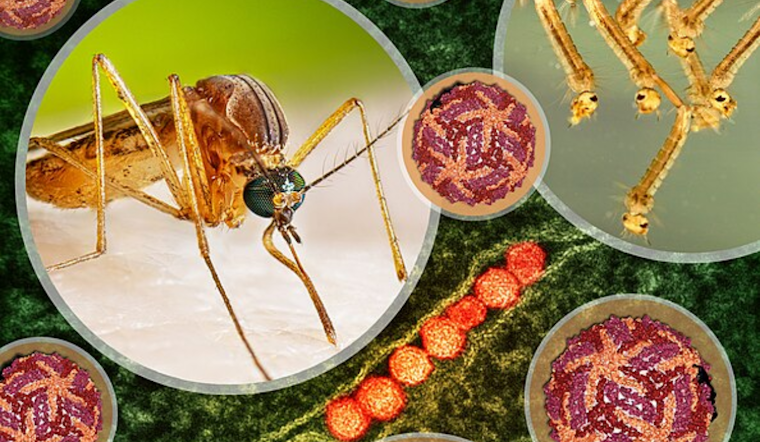
Boulder County has confirmed its first human case of West Nile Virus (WNV) this season, as reported by Boulder County Public Health (BCPH) on August 16, an individual from Longmont is currently receiving hospital treatment after likely being bitten by an infected mosquito at their residence, and exhibiting symptoms such as fever, fatigue, headaches, and body aches, developments that often manifest within three to 14 days post-bite.
The BCPH emphasizes the severity of the disease, which, aside from aforementioned symptoms can lead to encephalitis or meningitis, and in extreme cases even paralysis, vision loss, convulsions, coma, and death, noting everyone is susceptible, though those over 50 or those with fragile immune systems are particularly vulnerable there is no human vaccine or cure available, symptoms are treatable which can aid in a faster recovery.
Boulder County Public Health recently stated that they hope the patient recovers quickly and emphasized that even though the positive case was found in Longmont, all county residents should stay vigilant since mosquitoes can be found throughout the county.
Environmentalist Marshall Lipps from BCPH highlighted "We are hoping for a speedy recovery," adding "Even though this positive case was reported in the Longmont area, we shouldn’t get a false sense of security, Mosquitoes can be present anywhere in the county and even throughout the state," underscoring that county-wide precautions remain necessary regardless of the incident area and residents are encouraged to adhere to protective measures, commonly dubbed the 4Ds: using DEET-based repellents, dressing in long-sleeved garments, avoiding outdoor activities from dusk till dawn, and draining standing water near their homes to prevent mosquito breeding, as per Boulder County Public Health.
Health officials are urging the community to keep the 4Ds in mind: opting for insect repellents with DEET or a similar substance, dressing in long sleeves and pants, staying indoors during dusk to dawn period, and eliminating any stagnant water around dwellings to minimize the risk of WNV transmission, which, while typical diagnosis occurs in late summer, cases have been historically reported ranging from as early as May to as late as December, corresponding with mosquito activity peaking between late April and mid-October, ending with the season's first freezing temperatures.





.jpg)