

























































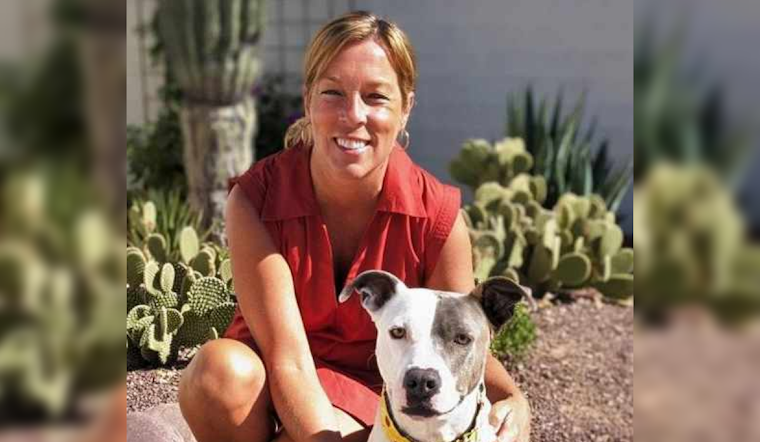
Stumbling upon a lost pet can tug at the heartstrings, compelling many to act quickly. Yet, the instinct to whisk a lost dog or cat to the nearest shelter might not be the most effective measure. According to Pima County Animal Care Center (PACC) Director Monica Dangler, a well-meaning act such as this may inadvertently decrease the chances of family reunions. "Many people aren’t aware of their local animal shelter, may not know where to look, may not have access to transportation or may be afraid that they’ll be penalized or charged expensive fees," Dangler explained in her PawPrints column, as relayed by the Pima County Newsroom.
Numbers speak volumes in this case. Data shows that a high percentage of lost dogs are found close to their homes in Pima County. Specifically, "63% of lost dogs are found less than a mile from their home, and 16% are found less than 400 feet from home," revealed Dangler. These statistics illuminate the importance of local efforts when trying to reconnect lost pets with their owners. PACC suggests starting with a neighborhood search and using tools like the Petco Love Lost database, which leverages image recognition technology.
Director Monica Dangler pointed out the proven track record of Petco Love Lost, particularly how, since the partnership began in 2023, the number of families reunited with their pets in Pima County doubled. The website offers a streamlined and effective option for owners and finders to connect, potentially bypassing the need for the pet to enter the shelter system.
Collars and ID tags remain a simple yet crucial piece in the puzzle of lost pet recovery. The statement, "every pet that stays with their family instead of in the shelter is a win for that pet and for the pets in the shelter," not only emphasizes the value of such identification but also the ripple effect of these measures on the shelter's capacity to care for other animals. PACC provides free ID tags to anyone in need, a testament to their commitment to preventing unnecessary shelter stays. Furthermore, in a call for community support, Dangler highlighted the current need for adopters and fosters for dogs, an essential element in alleviating the shelter's load.
For those looking for ways to knit tighter strands of care and concern into the fabric of their communities, understanding the nuances of effective lost pet responses is key. Sharing insights such as these and supporting efforts like PACC's initiatives create a stronger safety net for our four-legged friends and those who hold them dear.





