

























































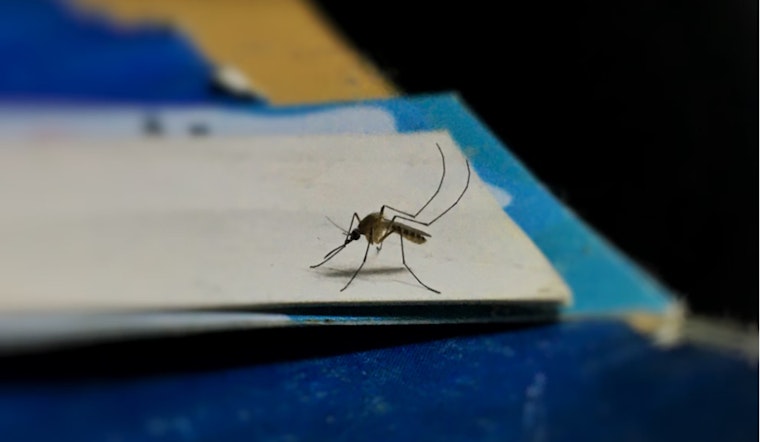
Due to the growing threat of Eastern Equine Encephalitis (EEE), Massachusetts officials are launching a mosquito control campaign in Plymouth and Worcester counties. The Department of Public Health (DPH) and the Department of Agricultural Resources (MDAR) will use both aerial and truck-mounted sprays. Aerial spraying will cover Carver, Halifax, Kingston, Middleborough, Plymouth, Plympton, Rochester, and Wareham. Truck-mounted sprays will target Douglas, Dudley, Oxford, Sutton, and Uxbridge.
According to an announcement from mass.gov, this intervention comes after 10 communities in the region have been elevated to high or critical risk levels for EEE. "We have not seen an outbreak of EEE for four years in Massachusetts," said DPH Commissioner Robbie Goldstein, MD, PhD. "all our available tools to reduce risk and protect our communities. We are asking everyone to do their part." The recent confirmation of the season's first human case of EEE, a male in his 80s from Worcester County, has necessitated decisive action.
The mosquito control effort will use Anvil 10+10, a proven insecticide effective in both aerial and ground spraying. It is applied in very small amounts, reducing the risk of health issues. However, officials advise people with chemical sensitivities or respiratory conditions to stay indoors during nighttime spraying to avoid any potential problems.
To reduce risks from the spraying, precautions are being shared for local wildlife and pets. Aquatic life and bees, which are less active at night, should be minimally affected, but pond owners and beekeepers are advised to take protective steps. MDAR Commissioner Ashley Randle emphasized, "Aerial spraying will target mosquitoes carrying the EEE virus. While these measures are crucial for reducing transmission risk, it's vital for everyone to stay vigilant and follow personal protection guidelines to safeguard our community."
Despite the chemical treatments, health officials stress the importance of personal prevention in fighting EEE. They recommend using insect repellent, wearing protective clothing, and mosquito-proofing homes, especially during peak mosquito times. Animal owners should consult veterinarians about repellents and vaccinations and keep water sources clean to prevent mosquito breeding. For more details, including an FAQ on mosquito control and contact info for questions, visit the DPH website.




