

























































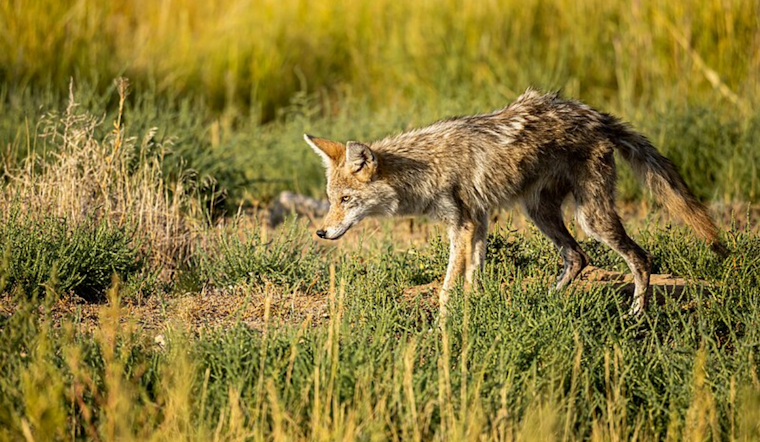
In a heartwarming turn of events, San Diego's wildlife has seen a small yet impactful victory by reintroducing nine orphaned coyotes into their natural habitat, courtesy of the San Diego Humane Society's Project Wildlife team. After careful rehabilitation, these young animals, which arrived at the Ramona Wildlife Center as vulnerable pups, have been released at Eagle Peak Preserve near Julian, partnering with the San Diego River Park Foundation. The successful operation was spotlighted by the San Diego Humane Society on their Facebook page.
The journey of these coyotes began under unfortunate circumstances, having lost their parents at a tender age, between 4 and 6 weeks old. They were discovered in various locations across Southern California, with three found under a deck in Pacific Beach and others hailing from as far afield as Riverside County and Beverly Hills. According to Patch, some of these animals even wound up being bought on Offer-Up, a stark reminder of the bizarre ways wild animals intersect with human communities.
Emphasizing the importance of keeping these coyotes wild, the Project Wildlife team developed creative strategies to minimize human imprinting. Among the techniques employed were instructions as idiosyncratic as wearing coyote masks and fur coats, using coyote urine sprays, and playing recordings of wild coyote howls around the animals to nurture their innate instincts rather than allow them to become accustomed to human interaction. Their hands-off approach was geared towards preparing the pups for a life untethered to mankind, as highlighted in the Humane Society's announcement.
With over 10,000 wild animals receiving aid annually through the Project Wildlife program, the San Diego Humane Society has cemented its status as a principal player in conserving and rehabilitating the region's diverse fauna. Animals ranging from apex predators like mountain lions to raptors such as eagles are given a chance to recover and return to their habitats, thanks to the efforts of the Ramona campus specialists. "As soon as the coyotes were ready, the Project Wildlife team placed them together in an outside habitat and monitored them from a distance to avoid human imprinting", said Nina Thompson, a Humane Society spokesperson, as noted in the Patch release.




.jpg)