

























































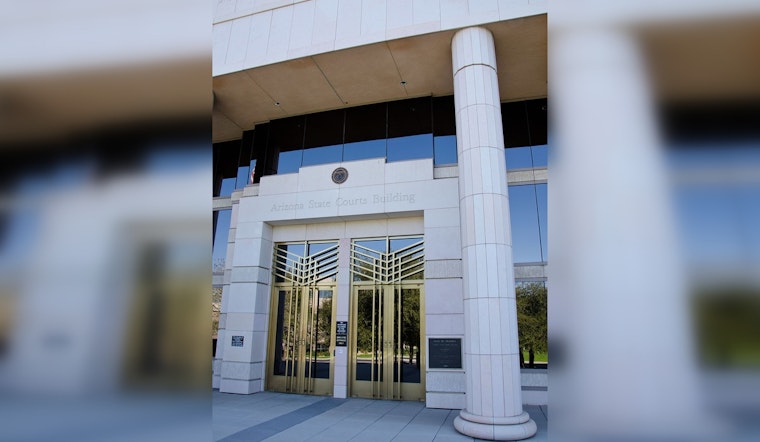
The Supreme Court has declined a Republican effort that would have prevented over 41,000 voters in Arizona from participating in the presidential vote, a state won narrowly by President Joe Biden in the previous election. The court did, however, permit portions of a law requiring voters to provide proof of citizenship to proceed. This ruling comes less than three months before the November election, in what could become the preamble to a series of legal battles concerning voter rights.
While conservative Justices Clarence Thomas, Samuel Alito, and Neil Gorsuch were in favor of full enforcement of the law, Justice Amy Coney Barrett sided with the court's liberal justices to avoid the complete implementation of the measure. This split decision was reflected in a 5-4 order, according to AP News, signaling a tense battle over voter laws. The Supreme Court, without detailed reasoning, brought an urgent Republican appeal to the forefront, potentially setting a new precedent on Arizona's voting procedures.
In response to the court's decision, former President Donald Trump expressed his approval, commending the justices for their great courage in doing what they’re doing. As per the Supreme Court's order, people registering to vote in state and local elections in Arizona will have to provide proof of citizenship or face the rejection of their registration forms, as reported by FOX 10 Phoenix. A different federal form exists for presidential and congressional elections that require declarative citizenship under penalty of perjury but don't demand such proof.
Arizona Secretary of State Adrian Fontes showed concern over the rulings' proximity to the upcoming elections, which he believed would create chaos and confusion. Despite his reservations, Fontes affirmed his office would comply with the court's decision, ensuring to respect the Court’s decision and will implement these changes while continuing to protect voter access and make a voting simple process.
The backdrop of this Supreme Court action features an Arizona political landscape where over 41,000 voters, as of August 9, were registered only for federal elections. According to AP News, these voters, which include military members, students, and Native Americans, may be significantly affected by any changes in proof of citizenship requirements. Approximately 27% of these voters are Democrats, 15% are Republicans, and the majority, 54%, are independents.
Meanwhile, in further developments, the Arizona Supreme Court made rulings on several election-related cases, which include ballot measures about open primary elections. These decisions, as reported by FOX 10 Phoenix, clear the way for proposals facing legal challenges to be presented to voters, potentially restructuring how primary elections are conducted in Arizona.





