

























































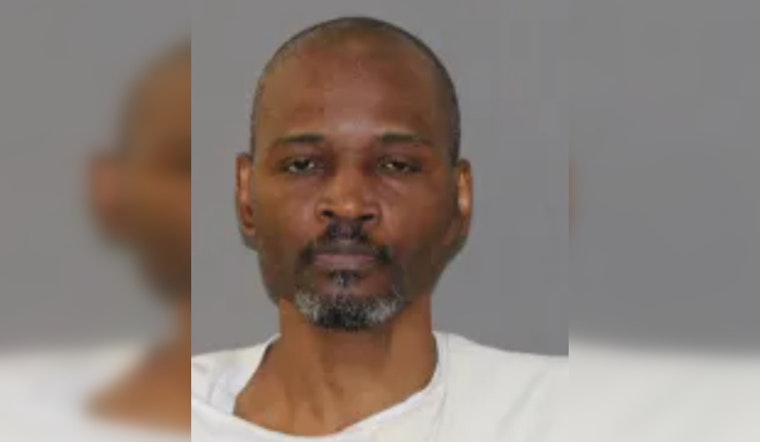
Arthur Lee Burton, a 54-year-old death row inmate, was executed yesterday for the 1997 murder of Nancy Adleman, a Houston jogger. According to the USA Today, Burton's last words addressed his supporters, "I want to say thank you to all the people who support me and pray for me," he said. "For those of you I know and do not know, thank you for your support and prayers ... And a full circle to all the guys at the Polunsky Unit (prison), I love you guy ... Bird is going home."
Earlier on the day of his execution, Burton had been denied a petition by the U.S. Supreme Court to halt his execution, despite previous concerns regarding clerical errors and an intellectual disability claim which had briefly postponed his death sentence. The Supreme Court's decision deemed that the claim did not hold sufficient merit, ushering in Burton's lethal injection death by the sedative pentobarbital. Amanda Hernandez, a spokeswoman for the Texas Department of Criminal Justice, confirmed that Burton's time of death was 6:47 p.m., his final statement was made near 6:23 p.m.
During the trial proceedings, argued by the Harris County District Attorney's Office, Burton's past IQ scores refuted an intellectual disability, deeming him fit for the death penalty. Details of Burton's final hours, revealed in a "Death Watch" document by the TDCJ, indicated that he spent his last day in quiet reading, his last meal was documented on Monday morning. His execution marks the third in the state of Texas this year, and the 11th nationwide, as accounted by USA Today.
The crime for which Burton was executed, involved the brutal killing of Nancy Adleman as she jogged near her northwest Harris County home. Burton had ultimately confessed to the murder, making the case a focal point for the discussions on the dangers women face while exercising alone, according to the accounts by the Houston Chronicle. Adleman's widower and son witnessed the execution, as did Burton's brother, from another window, observing the final moments in a shared, yet divided space of loss and retribution. Kim Ogg, the district attorney, was also present, though she was not originally listed as a witness by the TDCJ.




