

























































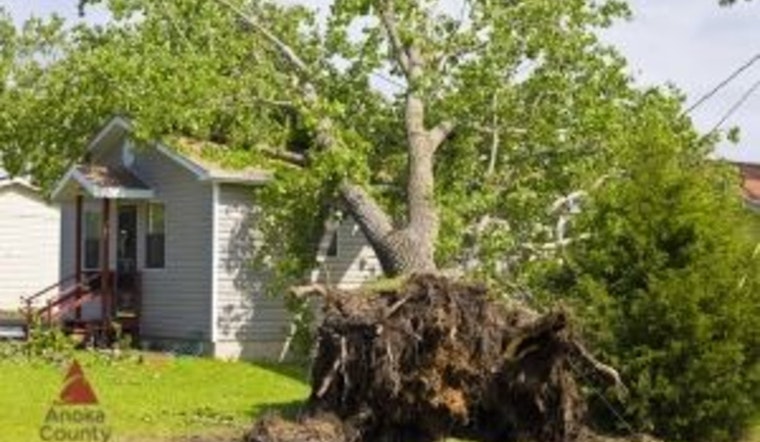
Anoka County is looking for input from residents and stakeholders to shape its roadmap for mitigating the perils of Mother Nature. With the help of the University of Minnesota Duluth, the county's Office of Emergency Management is bent on crafting an updated Hazard Mitigation Plan (HMP), aiming to buffer against tornadoes, blizzards, fires, and other natural hazards that threaten the region. Public opinion is not just requested—it's needed to ensure the plan reflects the reality on the ground.
As the region reels from recent severe weather events, the Anoka County Office of Emergency Management made it known that they are actively revising their playbook for dealing with Mother Nature’s dicey side. According to the City of Blaine's website, this involves a comprehensive review of risks, from extreme temperatures to flooding, and most importantly, finding new ways to mitigate them. This multi-jurisdictional approach encompasses all locales within the county and seeks the insight of not just residents, but school districts, watershed districts, and various organizations.
"Hazard mitigation planning is a central part of our emergency management program," Terry Stoltzman, Anoka County emergency management director, told the press. Measures under consideration range from widespread weather preparedness education to rethinking stormwater systems, and potentially repositioning buildings vulnerable to natural disasters. Public suggestions are welcome and impactful, as some may even qualify for FEMA Hazard Mitigation Assistance grant funding in the future.
With the opportunity to weigh in, Anoka County inhabitants and business owners can play a direct role in enhancing their community’s resilience. Feedback sought includes concerns regarding hazards that could strike close to home and thoughts on safeguarding against such events. Communicating these considerations is made possible through email at [email protected] or by calling 763-324-4740. A draft of the proposed plan will be open for public scrutiny before it’s finalized and sent upstate to the Minnesota Department of Homeland Security and Emergency Management and FEMA for approval.



