

























































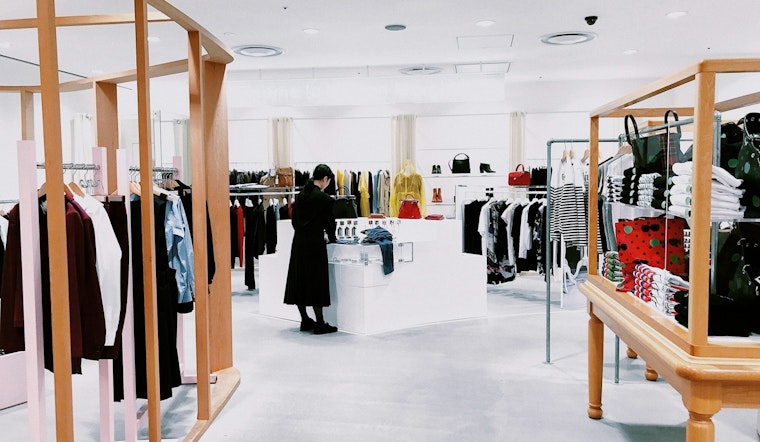
Baggu, the brand known for its colorful array of reusable bags, is set to open their first Midwest store in Chicago's Wicker Park neighborhood. Given the brand's surge in popularity, fueled in part by TikTok fandom, this physical presence reflects a growing retail trend within the city. According to the Chicago Sun-Times, the new store at 1639 N. Damen Ave. will join Baggu's other outlets in California and New York. The store's location in Wicker Park was based on the 60647 ZIP code reportedly having the highest concentration of Baggu consumers. Stephen Stananhan, head of retail at Baggu, affirmed the strategic choice of Wicker Park, noting that it is "the third biggest market for us on baggu.com after New York and Los Angeles."
Seemingly confident in the brand's brick-and-mortar potential, Baggu teased its upcoming Chicago expansion with a cryptic "60647 2024" Instagram post. With a dedicated followership and a reputation for sustainability since its inception in 2007, Baggu appears poised to further solidify its physical retail footprint. A statement made to WGN News reflected this momentum: "We’re looking forward to opening our first store in Chicago in late 2024."
Economic indicators are encouraging for Chicago's retail market recovery post-pandemic. The Chicago Sun-Times reports a stable vacancy rate at 4.8%, with a modest 0.7% growth in asking rents. While some may find it surprising, the city has continued to attract a variety of new businesses, thanks in part to its concentration of Fortune 500 companies and high-income households. "If there is strong income, that means people spend money, so it appeals to retailers, restaurants and what have you," said Chris Bobowski, senior director of Cushman and Wakefield.
Chicago's urban and suburban landscapes both demonstrate healthy demand for retail space. Nationwide names like Rihanna's Savage X Fenty and Japanese streetwear brand BAPE have recently established Midwestern outposts in the region. Local resident Paola Juarez expressed enthusiasm about Baggu's new physical location, suggesting that it will enhance the shopping experience. "Sometimes when looking at them online, the colors may look brighter or darker, and it can be misleading when they arrive" Juarez told the Chicago Sun-Times. Clearly, even in a digital age, there remains a tangible excitement surrounding the brick-and-mortar shopping experience.


