

























































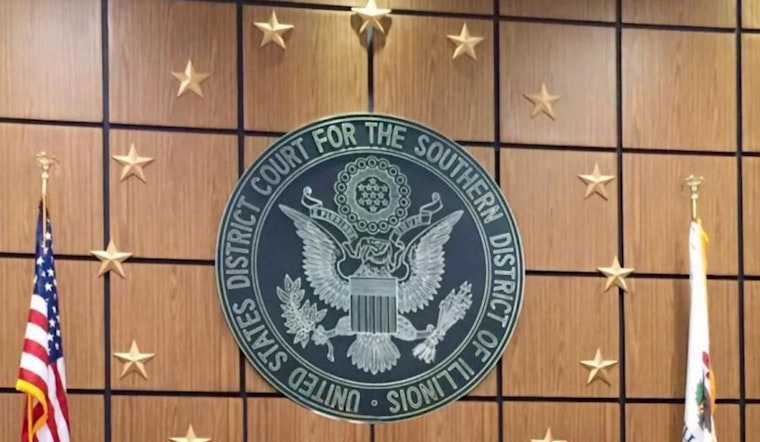
In a recent case highlighting the destructive potential of online threats, a Florida man has received an 87-month prison sentence for using social media to make a bomb threat against Scott Air Force Base and for cyberstalking an active duty Air Force member. According to a statement released by the U.S. Attorney’s Office for the Southern District of Illinois, DeAyre M. Jones of Land O' Lakes pleaded guilty to interstate communication with threat to injure, cyberstalking, and threatening and conveying false information concerning the use of fire or an explosive. The disruption his actions caused was such that it caught the attention of high-ranking officials, with U.S. Attorney Rachelle Aud Crowe noting that the base's security and uninterrupted service were critical for national security.
Jones's threats in September 2022 involved creating fake Facebook profiles to accuse a woman, previously in a personal relationship with him, of harboring a bomb and tracker on her car at the military base. The accusation spurred a security response that included the dispatching of an explosive detection canine and the Explosive Ordinance Disposal team, although no dangerous items were found, as detailed in the court documents. The string of events triggered a robust investigation, leading to Jones being identified as the suspect by the victim.
Unfolding in an era when digital spaces can become hotbeds of aggression and harassment, "the tireless efforts of all teams involved ensured the base remained safe and fully operational at all times," commented Special Agent Joseph Straus, AFOSI Detachment 301, Commander, in a reflection of the inter-agency collaboration between the Air Force Office of Special Investigations and the FBI Springfield Field Office. This sentiment echoes the commitment of law enforcement to counter threats to critical infrastructure, both online and offline.
False threats, however, do more than disrupt; they divert precious resources. Special Agent in Charge Christopher Johnson stressed, "Hoax threats cause a significant drain on resources and taxpayer dollars and put innocent people at risk." Moreover, Jones also admitted to sending threatening and harassing messages to the victim and other base officials between August and December 2022, an ordeal that further displayed the terrifying convergence of personal vendettas and public safety.
The case was prosecuted by Assistant U.S. Attorney Daniel S. Carraway, as the judicial system sent a clear message about the severity of Jones' actions. Consequences for such behavior are stern, intended perhaps, to deter similar incidents by illustrating the high stakes and zero tolerance for threats against military installations and personnel, as well as against those caught in the crossfire of cyberstalking campaigns.




