

























































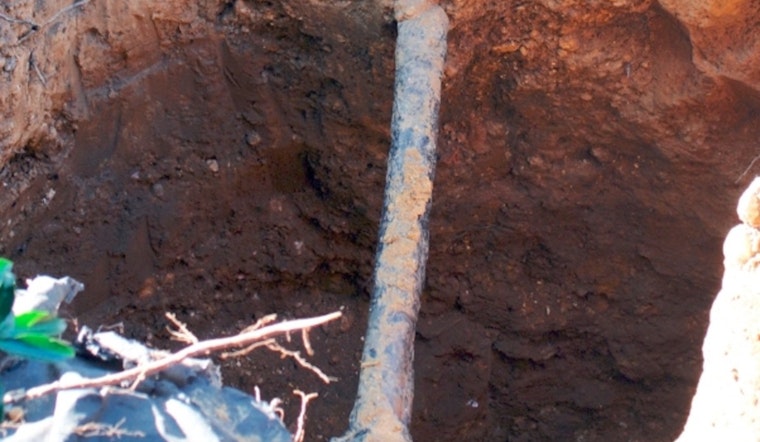
Indianapolis citizens in the Martindale-Brightwood neighborhood and beyond are witnessing the removal of a pervasive health risk as Citizens Energy Group has undertaken a major project to replace lead water service lines. The initiative is set to rid homes of dangerous lead-based pipes at no cost to homeowners, according to WRTV. Over 260,000 residents in Indiana could still have lead service lines, which, if replaced by homeowners themselves, "would be very expensive." "If you are a citizen's customer and you have a lead service line, we are coming for it," Ben Easley, a Citizens Energy spokesperson, assured homeowners in an interview.
As stated in a WTHR interview, Elizabeth Gore, the force behind the Martindale-Brightwood Environmental Justice Collaborative, emphasized the significance of the project, saying, "When I turned onto the street, my heart was just overflowing with the idea that something is being done and that our community is now getting what they deserve — some attention."
The effort was made possible after gaining approval from the Indiana Utility Regulatory Commission (IURC) in 2022 and is part of a multi-year plan to address water safety concerns in neighborhoods across Indianapolis. Citizen's Energy Group confirms that although the water leaving their treatment plants is lead-free, the old lead pipes transporting the water can lead to contamination, reported WTHR.
Local residents, like Onyette Hamiter, have welcomed the much-needed upgrades. "You're not spending $6,000 and above to get this done, and it's needed," told Fox59 in an interview. Practical execution of the replacement work entails pulling new plastic water service lines behind a drill, a process that typically ranges from two to four hours per household.
The impact of this project is not only immediate but also far-reaching, with the potential to replace nearly 3,000 service lines in central Indiana, as Fox59 reported.



