

























































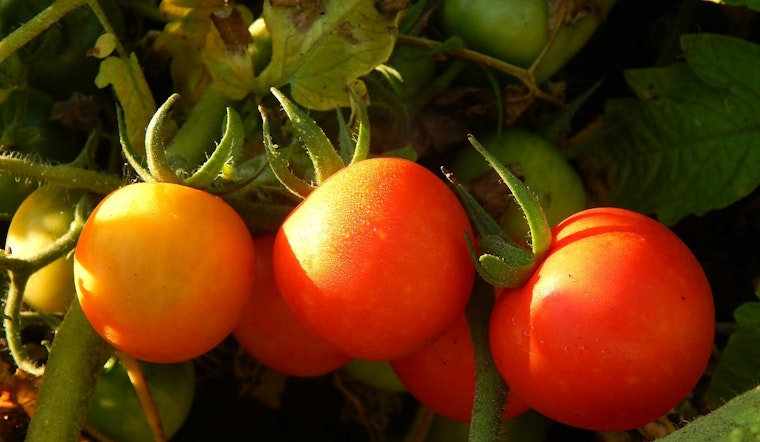
In Minneapolis, an alliance between Twin Cities Food Justice (TCFJ), Homegrown Minneapolis, and Freedom Works is spearheading a new initiative aimed at tackling food insecurity and reducing food waste. According to a City of Minneapolis news release, this collaboration involves gathering produce from local farmers' markets and engaging students at Freedom Works in prepping and preserving the food for distribution throughout the winter months. Acknowledging that hunger often intersects with other conditions of vulnerability, TCFJ strives to serve communities burdened by issues such as housing instability and economic hardship.
Furthering actions that reflect the intersectionality of environmental sustainability and social justice, the Homegrown Minneapolis Food Council conducts monthly meetings. The council's upcoming gathering on September 11 will focus on potential policy changes around boulevard gardening, as noted in Homegrown News. Community members will have the opportunity to discuss future Food Council meeting content, and the food theme for the meeting celebrates the Minnesota State Fair with fair-inspired "food on a stick."
The city has also demonstrated support for urban horticulture. The Minneapolis Park and Recreation Board, faced with overwhelming demand, expanded its community garden offerings after receiving 330 applications for the available 166 plots. Grace Rude, a public health specialist with the city, confirmed to the Star Tribune that additional lots have been added to accommodate the growing interest in urban agriculture.
Restaurants such as Vinai are also contributing to the city's food landscape, as chef Yia Vang recently opened his Hmong restaurant in the Northeast Minneapolis area. According to Twin Cities Eatery, Vang's establishment is the culmination of a years-long journey with pop-ups, fair stands, and unforeseen setbacks. The personal narrative of resilience and adaptation reflects the overall vibe of Minneapolis's vibrant and evolving food scene.
For those interested in the agricultural aspects of the local food movement, the State of Minnesota offers various grant programs detailed by the Minnesota Department of Agriculture. These include the MN Grown Retailer of the Year contest and programs to support farmers' market associations participating in food assistance programs. Enriching the community further, residents can apply for Lawns to Legumes cost-share funding to transform their yards into pollinator habitats, a narrative aligned with broader environmental priorities.
Employment and volunteerism form yet another facet of the city's food justice efforts, with organizations like Open Arms of Minnesota and Pillsbury United Communities seeking individuals passionate about nutritious food and community empowerment. These opportunities, among others listed on various employment platforms, underscore the hunger for participation in a cause that is, quite literally, close to the heart and stomach of the Twin Cities community.



