

























































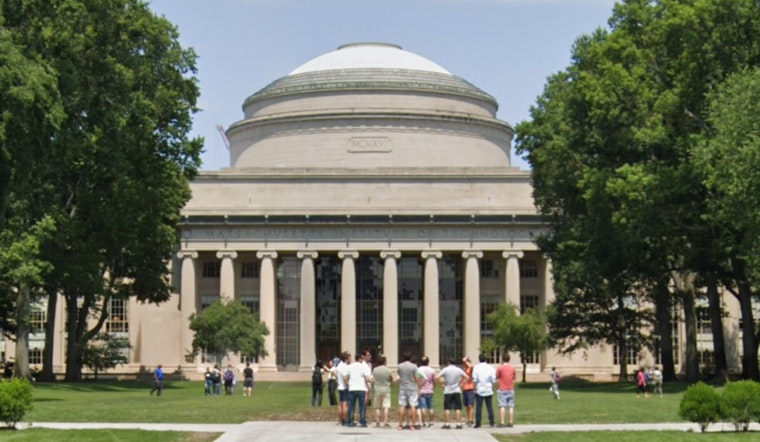
At the intersection of mechanical systems, electronics, controls, and computer science lies the field of mechatronics, an area burgeoning with potential for emerging designers. At MIT, professor of mechanical engineering David Trumper has been imparting the essence of this field to students through the class 2.737 (Mechatronics), emphasizing a back-to-basics approach to design and problem-solving, as reported by MIT News.
Despite the advanced nature of mechatronics, belying its modernity, Trumper's methodology starts with something as simple as pen and paper. "Students have to be able to work out things on a piece of paper, and make sketches, and write down key calculations in order to be creative," Trumper told MIT News. The simplicity this offers is by design, cornering students to engage in critical thinking, which he deems critical. His classes infuse theoretical knowledge with practical skills, with hands-on lab trials ranging from working with motors to constructing atomic force microscopes.
Audrey Cui '24, now a graduate student in electrical engineering and computer science, recounted her experience affirming the value of Trumper's teaching style. Trumper "really emphasizes being able to do back-of-the-napkin calculations," she told MIT News. In class 2.737, students get firsthand encounters with the tactile aspect of engineering, a crucial component for developing a designer's imagination and the initiative to create.
Trumper's interest in and research on precision mechatronics, including applications like magnetic levitation and bioengineering platforms, are directly reflected in the curriculum. He encourages students to envision their designs by "running the movie" in their minds, a reference to the imaginative process promoted by his late colleague Woodie Flowers. "Once you have the image in your mind, you can more easily picture what’s going on with the problem," Trumper explained to MIT News. "If you can do that with a piece of paper and your imagination, now you design new things pretty creatively."
Students of 2.737 describe the course as transformative, citing its blend of fundamental knowledge and the sheer joy of creation. Zach Francis noted the nostalgic but empowering aspect of the class. "This class reminded me about what I enjoy about engineering. You look at it when you’re a young kid and you're like ‘that looks like magic!’ and then as an adult you can now make that. It's the closest thing I've been to a wizard, and I like that a lot," he revealed to MIT News. The enthusiasm and enjoyment Francis attaches to the learning experience encapsulates the essence of what Trumper seeks to instill in his students: a lifelong toolkit for creative problem-solving in engineering.





