

























































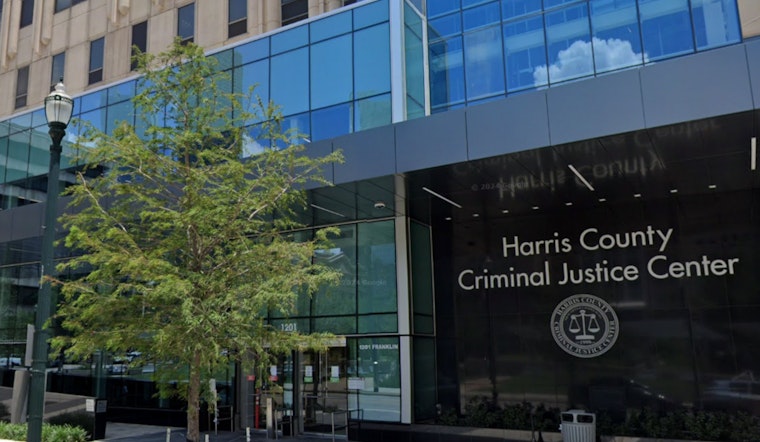
The first week of the Gerald Goines murder trial has ended with contentious debate over the existence and potential impact of a purported rogue body camera video from the Harding Street raid. According to the ABC13, former officer Steven Bryant's testimony introduced the possibility of additional footage that has not been accounted for, sparking a legal tussle over whether or not fellow team member Clemente Reyna was equipped with a personal camera during the deadly no-knock raid that resulted in the deaths of homeowners Rhogena Nicholas and Dennis Tuttle as well as injuries to four officers.
The implications of such a video could to significantly alter the course of the trial, yet the district attorney's office did not budge on granting Reyna immunity for his testimony regarding the camera. As a matter of compromise between both legal parties, it was agreed to stipulate on the record that no one is aware of any extra body camera footage—and this will be communicated to the jury, thereby circumventing further witness interrogations on the matter. This decision came after Lisa Andrews, Reyna's attorney, expressed frustration in court, stating, "The only question is was there a camera the day of the Harding Street raid? I'm not answering that question," as quoted in ABC13.
On the other side of the inquiry is the handling of body camera footage and adherence to policy by the Houston Police Department, as reported by the Houston Chronicle. Scrutiny has fallen on former Police Chief Art Acevedo for potentially instructing officers to turn off their cameras after the Harding Street incident, drawing criticism and raising questions about transparency from experts and legal observers. The Chronicle details the trial's exploration into the current and past body camera policies of HPD, shaping public perception of both the trial and the department's commitment to transparency.
While the trial continues to unravel complexities surrounding the raid and the aftermath, changes in HPD's body camera policies suggest an institutional response to the past failings. The department has moved forward with its policy allowing the record after the fact feature for body cameras, enabling officers to capture footage even after turning their cameras to standby mode. This policy update arrived post-incident, following several high-profile cases nationally, such as the murder of George Floyd, that have underpinned a broader call for police transparency and accountability, as further detailed by the Houston Chronicle.
As the Gerald Goines trial enters its following weeks, attention remains focused on how the contested evidence and HPD's evolving policies will impact the outcome. With the jury reconvening and no concrete evidence of additional body camera footage available, the trial's future hinges on the correlation of testimony and the integrity of the investigation as it stands.





