

























































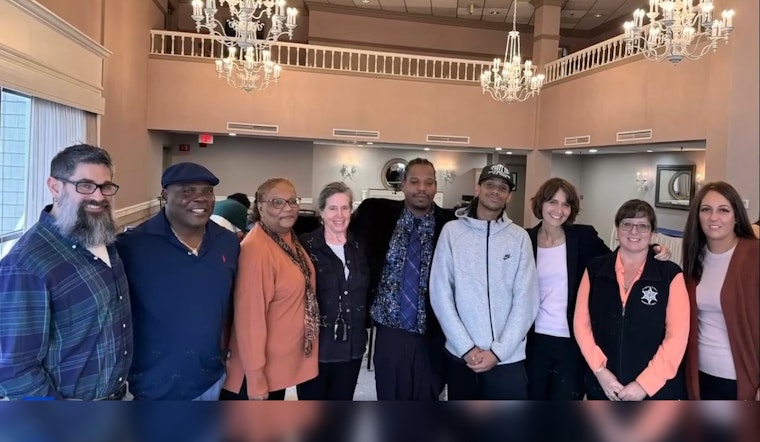
The Correctional Education Association recently held a conference at the Hotel 1620 Plymouth Harbor, headlined by a strong presence from the Plymouth County Correctional Facility's educational staff. Among them, Education Coordinator Meghan Hickey and Director of Programs Robin McGrory stood out with a presentation focused on the role community partnership plays in reducing recidivism. Their talk, according to posts on the facility's Plymouth County Sheriff's Department Facebook page, emphasized collaboration between corrections and local organizations.
The panel for the discussion included diverse voices such as Cara Solomon, founder of Everyday Boston, and Wayne Lane, a CDL instructor from CMSC Parker Professional Driving School. They were joined by Professor Stephen Simms of the Bridgewater State University Criminal Justice Department. Yet, the most stirring commentary came from Dan Smith, also of Everyday Boston, and his 17-year-old son, whose remarks on the day were described as particularly impactful.
This educational session at the conference appears to have extended beyond the voices of the professionals, tapping into the experiences and perspectives of those directly connected with the justice system. The inclusion of a range of panelists aimed to shed light on effective education and rehabilitation strategies that can lead to positive outcomes post-incarceration.
Feedback from conference attendees was positive, with a significant appreciation for the efforts of Meghan Hickey and Robin McGrory in organizing the session. As noted on social media, the event was not just an opportunity for education professionals to convene, but also a platform for exchanging ideas that could forge stronger bonds between correctional facilities and the communities they serve. The presence of young voices in these discussions highlights the profound need for such partnerships to sustainably support those navigating their way back into society.
Overall, the Correctional Education Association Conference appears to have provided a venue not just for discourses on theory and practice but also for the kind of human connection and shared understanding that can drive true reform within the system. As initiatives like these continue to grow, the collaborative efforts of educators, experts, and community members may prove to be a keystone in the collective effort to turn the tide on recidivism.





