

























































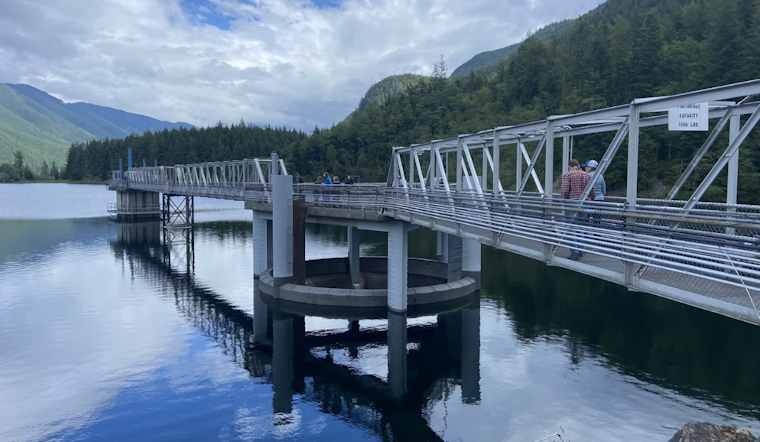
The City of Seattle took a proactive step in securing the future of its hydroelectric capabilities and environmental integrity by filing a Proposed Study Plan (PSP) with the Federal Energy Regulatory Commission (FERC), last Friday. This move is vital as it's part of the standard procedure for relicensing the South Fork Tolt Hydroelectric Project, a cornerstone in supplying both clean water and renewable energy to the region's populace.
According to a report by Seattle City Light, the utility has been an essential asset since its establishment in the 1960s, providing approximately 30-40% of the drinking water for an estimated 1.6 million people in and around Seattle. Furthermore, the power generated by City Light from this dam offers about 1% of the city's renewable energy portfolio, a small but crucial part of the broader scope of energy supply and sustainability in the area.
The PSP serves a multifaceted purpose: to propose new studies for the upcoming 2025 and 2026 seasons, to give background information about the project's operations, and to demonstrate collaborative efforts between the City and a variety of stakeholders including Tribes, federal and state agencies, local governments, and non-profit organizations. The plan suggests detailed studies on diverse ecological fronts including aquatic habitats, bird migration, local bat populations, and recreational impacts.
To craft this comprehensive study strategy, Seattle began deliberations with interested entities back in 2023, fostering joint collaborative training and knowledge-sharing seminars. This extensive prelude shaped four Resource Working Groups (RWGs), which targeted specific areas related to the relicensing work. Each group facilitated input on studies included in the study plan and also encouraged participants to bring fresh topics to the table, as per Seattle City Light.





