

























































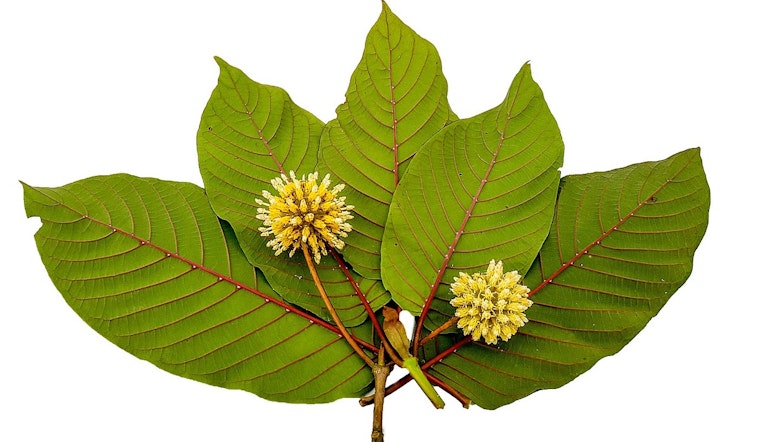
The tension over kratom, a herbal substance from Southeast Asia, continues to brew across Illinois communities, as Tinley Park recently passed an ordinance banning its sale, distribution, and use, despite vocal concerns from local business owners and advocates for its therapeutic use. This move mirrors a broader question over kratom's legality, fortified by the product's ambiguity in federal regulation and varied state responses. Kratom, mostly used for pain relief, mood enhancement, and alleviating withdrawal symptoms, has been labeled as "gas station heroin" by some due to its opioid-like effects. While legal federally, the FDA has criticized the use of kratom, citing a lack of safety information and possible health risks, including liver toxicity and potential for substance use disorder, according to an NBC Chicago report.
Along the lines of this debate, the herbal ingredient has been outright banned in several states, and local ordinances are appearing with a similar intent. The ban in Tinley Park, however, was not implemented without pushback from the community. Local proponents of kratom argued for consumer protection rather than prohibition. Jessica Hamouri, a vape and tobacco shop owner, said in a Chicago Tribune interview, "If this ban goes through, it’s significantly going to hurt all of our businesses." Her concerns reflect a substantial part of the population that relies on kratom for medicinal purposes, and fears for small businesses' survival amidst the pandemic's aftershock.
The ordinance in Tinley Park particularly spotlights a scenario playing out across many states as they struggle to position themselves regarding kratom without clear guidance from federal authorities. In conjunction, there's an ongoing debate on how to balance safety with personal freedom, medical need, and economic impact for businesses reliant on sales of the compound. The divided opinions on the substance were further highlighted when John Shinholser, founder of the McShin Foundation dedicated to addiction recovery, advocated for the use of kratom as a recovery tool in a statement to Tinley Park officials, proclaiming, "Kratom is a gateway drug into recovery for tens of thousands of people right now," cited in a Chicago Tribune interview.
Despite the local bans, New Brew, the makers behind a kratom-infused "euphoric seltzer," boasts a blend that promises calm, clarity, and connection, and recommends customers to "Sip it slow to asses your tolerance," as stated on their website. The company has to navigate responsibly to not ship to areas like Indiana and parts of Illinois where kratom sales are prohibited. At a time when abstraction is not an option, the debate over this herb is as concrete as it is complex, steeped in a mix of personal stories, economic survival, and public health concerns.
With the landscape for kratom remaining uncertain, municipalities like Tinley Park wait for a clearer direction from state lawmakers, while the advocacy for and against the product grows more vocal. The Illinois legislature is considering the Kratom Consumer Protection Act, which could potentially create a regulated framework that may ease tensions by providing safety guidelines rather than imposing a blanket prohibition. Village Clerk Nancy O'Connor summed up the municipal dilemma, saying, "It’s unfair to put this on a local municipality," reflecting the broader ambiguity surrounding the substance, as the community anticipates potential state or federal intervention.




