

























































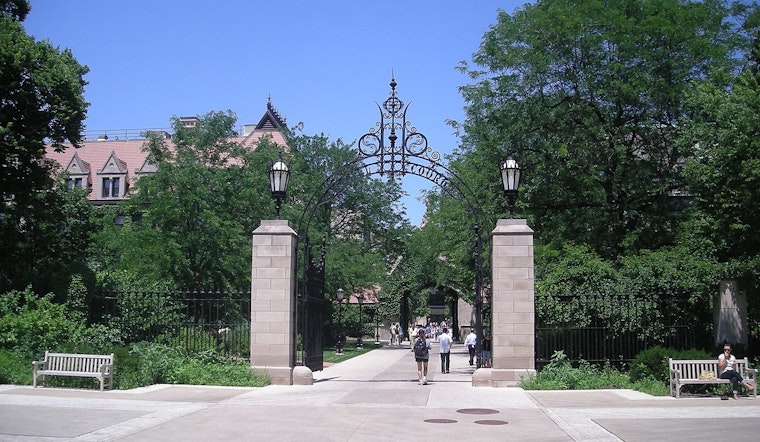
The University of Chicago has reportedly received a striking $100 million donation, an anonymous contribution slated to bolster the Chicago Forum for Free Inquiry and Expression. The aim of this initiative is to nourish free speech both within the university grounds and beyond, according to what the university declared. As per The Chicago Sun-Times, this generous gift might just be the largest in the history of educational endowments specifically supporting free expression.
University President Paul Alivisatos heralded the donation as a means to "create an enduring forum for this struggle," indicating plans to significantly amplify the project at the university and scale it up more broadly. The Forum, only a year old, has already engaged students and public intellectuals in a series of seminars, and a fellowship program, and has included an orientation component for newly arriving students. However, the announcement comes amidst a background of sharp critique from activists, like Youssef Hasweh, a graduate who claimed his degree was withheld due to protest involvement, raising questions about upholding true freedom of expression on campus.
"It's hypocritical to award the University of Chicago with any sort of free speech gift, or any award to insinuate the university promotes free expression, especially since they held my degree," Hasweh told The Chicago Sun-Times.
On the other side of the equation, CBS Chicago notes President Alivisatos's emphasis on the critical nature of "living" the principles of free inquiry and expression as a never-ending journey. The Forum has already convened conversations on consequential topics, such as the conflict in Israel and Gaza and significant U.S. Supreme Court rulings. The university touts the timing of a donation as pivotal in a global climate marked by challenges to free expression.
However, some see the path forward as potentially transformative, should the university align its practices with the principles it espouses. Syrian rights advocate Sabha Abour, who acted as a liaison during the encampment protests, sees an opportunity for change. "Hopefully, this means no more diploma delays for students advocating for Palestinian rights," she said, addressing past retaliations against student protesters and suggesting a more consistent embrace of free discourse in light of the new funding. As the Forum looks to invite scholars with potentially suppressed views, the university's approach to free inquiry appears to remain under intense scrutiny by its own community.





.jpg)