

























































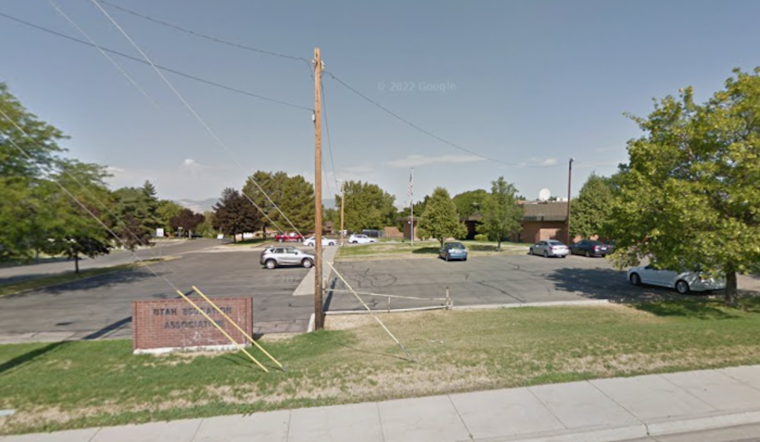
The Utah Education Association (UEA), making headlines again, is on the frontline of a legal confrontation challenging the adequacy of Amendment A. In a recent maneuver, the UEA has filed a motion requesting a judge to scrap Amendment A, which seeks to remove a constitutional assurance that directs income tax revenue to public schools. This motion comes within the wake of an injunction invalidating Amendment D, a previous measure perceived to be contentious by education proponents.
Last week's developments saw a judge ruling against Amendment D while allowing its presence on the November ballot, according to ABC4. Meanwhile, President of UEA, Renee Pinkney said, as obtained by FOX13, that "other state needs would take priority over public education," should Amendment A pass. The UEA president also underscored issues with the distribution of existing stable revenue sources, not just the accumulation of such funds.
Additionally, the UEA continues its advocacy against what it views as the deceptive nature of Amendment A, aligning with separate campaigning entities. Arguments presented by the UEA, include a failure to publish the amendment's language in newspapers statewide, and a constitutional requirement, emphasizing the importance of transparent and accountable governance. Their concerns align with the universally held principles that guide not just Utah but the entire nation.
In a declaration, addressed by the House's chief of staff, as cited by The Salt Lake Tribune, it was revealed that the Legislature had initiated a campaign to print the text of the amendment in numerous state newspapers. However, as noted by the ruling of presiding Judge Gibson, these efforts fell short of meeting the constitutional deadline, perhaps undermining the legislature's intent to rectify prior oversights. This detail is in the shadow of the Utah Supreme Court's stark July decision affirming Utahns' right to governmental reform via ballot initiatives, a right seemingly undercut by subsequent legislative actions.
Considering the contentious circumstances surrounding Amendment A, the UEA's persistent efforts question the integrity of the Legislature's emergency session that positioned the amendment on the ballot. By confronting the Legislature's right to amend or repeal ballot initiatives, the union is not merely defending educational provisions but is also asserting a broader defense of democratic processes and principles. What unfolds from here promises to be a pivotal chapter in Utah's constitutional narrative, shaping the future of public education and the rights of its electorate.





