

























































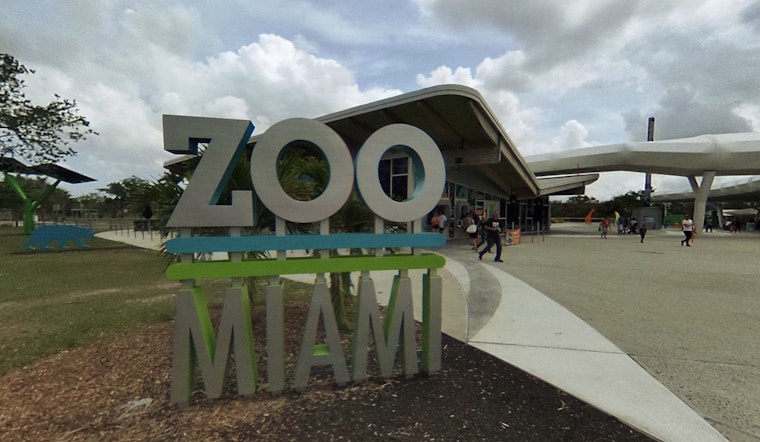
Zoo Miami is stepping up its game with a new initiative launched by Commissioner Kionne L. McGhee, aiming to deeply engage the community in conservation. As per the announcement on the Miami-Dade County website, the "My Zoo Keepers Program and Enhanced Conservation Efforts" program is set to bring over 500 volunteers onboard and raise upwards of $100,000 that will go towards saving local wildlife and habitats. Students, in particular, stand to gain from this initiative, with opportunities for hands-on conservation work and benefits such as community service hours, job recommendations, and certifications attributed to both Zoo Miami and the Commissioner's office.
The heart and soul of this program lies in its bid to quicken change by empowering youths through education and engagement. Arguably, experience is the greatest teacher, and Commissioner McGhee has designed this initiative to be rich in real-world learning. "My Zoo Keepers Program and Enhanced Conservation Efforts is about empowering our community, especially our youth, to take an active role in protecting the world around us," McGhee shared in a statement obtained by Miami-Dade County. The program promises to be a two-fold benefit by providing both conservation solutions and invaluable skills development for the participants.
Zoo Miami is not a newcomer to the field of conservation, being known for its commitment to protecting over 2,500 animals and 1,000 plant species. Efforts like conducting acoustic studies to monitor the endangered Florida Bonneted Bat and rescuing the American Flamingo have carved a significant place for the zoo in Florida's ecosystem recovery narrative. Additionally, programs such as the Butterfly Bunker have pushed forward Lepidoptera research, aiming at rearing endangered butterflies that may eventually repopulate the wild, showing the dedication the zoo has in preserving its regional biodiversity.
The educational aspect of "My Zoo Keepers Program and Enhanced Conservation Efforts" is vividly highlighted by the involvement of over 20 local schools. The students that opt to join will not solely learn about conservation in a classroom setting but will actively engage to restore habitats and care for animals. "This program is not only about wildlife—it’s about people," McGhee emphasized, according to a report from Miami-Dade County. These experiences are tailored to ideally position them for future endeavors in environmental conservation and beyond.
And Zoo Miami's conservation endeavors are far from over. With continued initiatives aimed at species like the Gopher Tortoise and Miami Tiger Beetle and the protection of unique ecosystems such as the Pine Rocklands, the zoo underscores its unwavering commitment to the environment. Even the botanical gardens at Zoo Miami stand as beacons of the zoo's dedication to education and biodiversity, offering an immersive learning experience for all its visitors.
The Commissioner's pioneering program is just a stepping stone towards a larger goal. This master plan for Zoo Miami aims to not only boost conservation efforts but also to forge enduring connections between the community and their environment. "With the support of our volunteers, schools, and community partners, we are building a lasting legacy for future generations," concluded McGhee, ambitiously looking ahead. For those inclined to join this ecological crusade, or to simply learn more about the program, detailed information is available at Zoo Miami’s website.





