

























































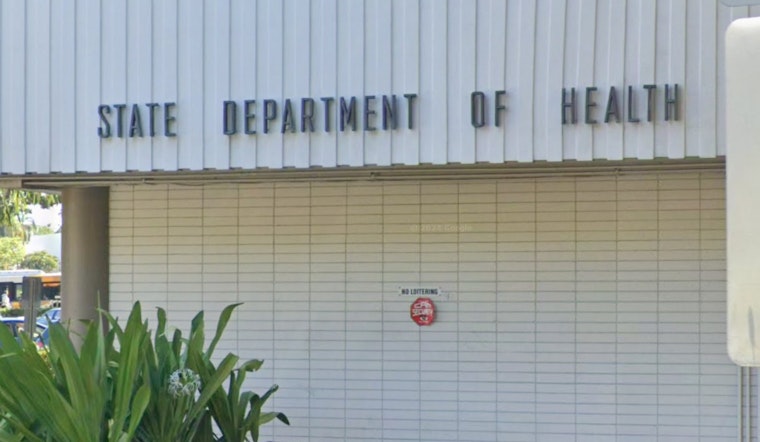
With two additional cases of mpox identified in Hawaiʻi, residents are on alert yet reminded that the risk of infection for most remains relatively low. A release by the Hawaiʻi Department of Health (DOH) disclosed these latest diagnoses, emphasizing that one case is likely from out-of-state exposure while the other suggests local transmission. This uptick in local cases, notably without a clear link to previous incidents, marks an escalated concern for health officials as they advocate for vaccination, particularly among at-risk communities.
Hawaiʻi has had a cumulative tally of 53 mpox cases since June of last year, with 2024's count now sitting at seven. The DOH is bolstering its vaccination initiatives, announcing that the JYNNEOS vaccine will be available at multiple sites across the state, including this year’s Honolulu Pride Festival. This outreach is a targeted response, as mpox, has predominantly affected social networks comprising gay, bisexual, and other men who have sex with men, according to the DOH. Yet, as the disease does not discriminate, the possibility of transmission is universal for those who come into intimate contact with an infected person.
Preventative measures echo throughout the reminders from health authorities: minimize physical contact at events, be mindful of potential symptoms, which among others include flu-like signs and unexplained sores, and engage in open dialogues about health with new partners. Notwithstanding the focus on high-risk behaviors, the underlying message is clear: awareness and precaution are key instruments in containing the spread. For those experiencing symptoms indicative of mpox, particularly rashes or lymph node swelling, immediate contact with a health provider is encouraged, with services available at several clinics, including the STI/HIV Clinic at the Diamond Head Health Center.
Globally, the mpox situation remains dynamic, with different virus clades prompting varied responses. Clade I mpox, which raised alarms after the World Health Organization declared a related public health emergency in central Africa, has not been identified in the U.S. The Hawaiʻi Department of Health has not reported any clade I cases, which may lessen immediate concern but does not reduce vigilance. State health officials are actively monitoring all suspected mpox cases, reinforcing the expected effectiveness of the JYNNEOS vaccine against both clades, and encouraging those planning international travel to review CDC guidelines and consider preemptive vaccination.
Accessibility to the vaccine has scaled up with Bavarian Nordic's commercial launch earlier this year. In addition to established vaccine clinics and pharmacies like Longs Drug (CVS) and Walgreens, Hawaiʻi residents can now explore options at other first points of care by calling in advance to check availability. All indications from the DOH suggest a state determined to confront mpox through preventive care and educated public engagement.





