

























































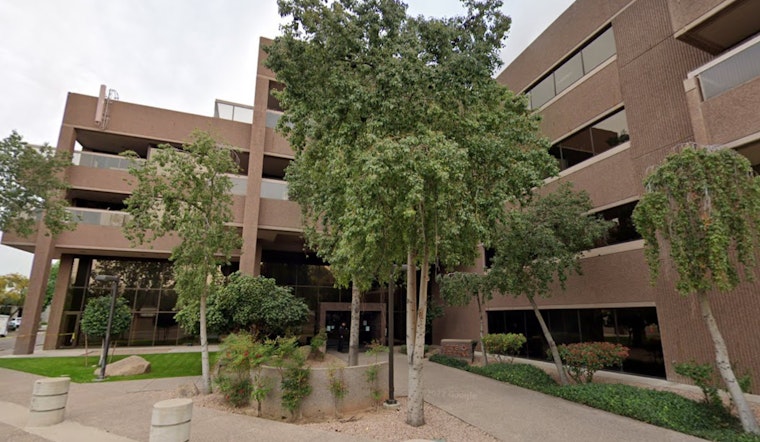
A recent state audit raises concerns for Arizonans who depend on respiratory therapists. The Arizona Board of Respiratory Care Examiners, reviewed in a report released yesterday by the Office of the Auditor General, appears to have internal issues. Despite seeming efficient online, the Board struggles with bureaucracy, delaying important, time-sensitive needs.
The issue is vital, people rely on respiratory care professionals, especially those with chronic or emergency conditions. The Board’s delays in issuing licenses have not only hindered the careers of new respiratory care practitioners but also weakened the healthcare system’s ability to meet patient needs. While new graduates waited for their licenses, patients likely suffered the most from the shortage of available healthcare providers when they needed care the most.
The report highlighted more than just slow licensing, it revealed inefficiencies and oversights that could risk patient safety. Investigations into complaints against practitioners, which should be handled quickly, were often delayed. High-risk complaints, which should be prioritized, were found stuck in bureaucratic delays.
It's not just about following rules, delays and inaction in healthcare licensing have serious consequences. The Board has been slow to understand that adopting a risk-based approach to investigating complaints is essential to ensure patient safety is prioritized.
The state audit has urged the Arizona Board of Respiratory Care Examiners to take immediate action. However, the Board has not yet publicly responded to the findings or shared a plan to address the issues. It's unclear how the Board will adapt to meet the expectations of healthcare professionals and the public. Meanwhile, Arizona residents can only hope that the Board doesn’t delay making the necessary improvements to ensure quality respiratory care.




