

























































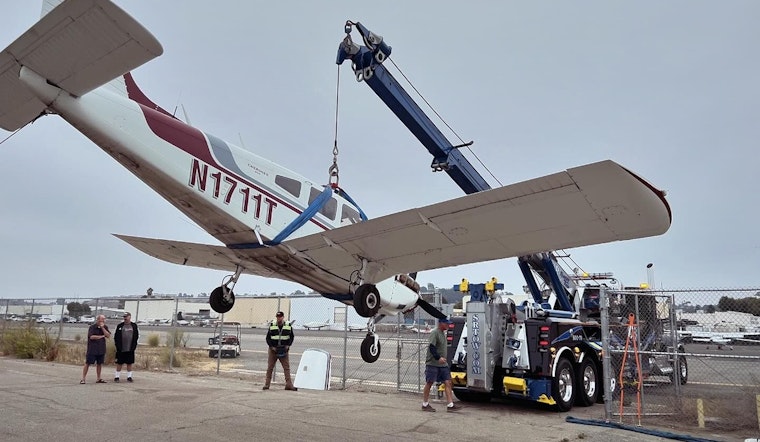
Recent incidents involving Arizona airports have cast a spotlight on the issue of narcotics smuggling using small aircrafts, with two arrests made after a small plane was forced to land on a California freeway and found to contain cocaine. According to AZ Family, the plane, which took off from Falcon Field Airport in Mesa, encountered engine failure and took an unplanned dive down to State Route 76 in Oceanside, California; the incident not only prompting a swift response from local law enforcement but also uncovering the presence of 2.2 pounds of cocaine aboard.
The two individuals linked to the emergency landing, Gabriel Leon Breit and Troy Othneil Smith both hailing from Oceanside, were apprehended, as detailed in the report by azfamily.com, and this event marks a continued narrative of concern regarding the ease with which illegal substances appear to be slipping through the cracks at general aviation airports that exist beyond the secure gaze of the Transportation Security Administration, as Falcon Field, despite its open runways and monitored accesses, relies on the individual accountability of pilots to inspect and be privy to their cargo's contents.
Amid the absence of conventional security checks, Jessica Alonzo, a communications specialist at Falcon Field Airport, underscored the pilot's role in a statement obtained by FOX 10 Phoenix, noting, "It's their personal aircraft, they know exactly what's on board, and they must do a preflight inspection. It's kind of on their own accounts." This degree of freedom, in contrast to the strict oversight at commercial airports, reveals a chink in the armor where privately operated aircraft and less scrutinized airports could potentially be exploited for smuggling activities.
With the Federal Aviation Administration now investigating this freeway landing turned drug bust and the Drug Enforcement Administration's involvement yet to be confirmed; this incident entwines with a broader narrative that previously saw 50,000 fentanyl pills intercepted at Phoenix Sky Harbor, hinting at a more pervasive breach in the invisible walls we trust to shelter us from the scourge of narcotics trafficking.




