

























































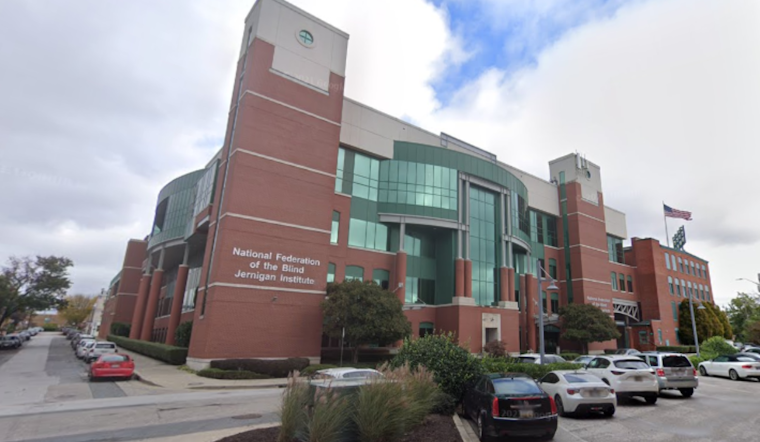
On the streets of San Francisco, blind individuals and their supporters are poised to confront giants of the gig economy, Uber and Lyft, with allegations of discrimination that echo across the city. NBC Bay Area reports a rally organized by the National Federation of the Blind, claiming both rideshare companies flout their internal regulations and state and federal law by denying service to blind passengers, particularly those with guide dogs. This mobilization for justice is not isolated to the Bay Area; it manifests nationwide discontent.
The demonstrations are scheduled for White Cane Awareness Day, a salute to the autonomy of the blind, with protesters assembling at 10 a.m. at Uber's headquarters and later, at 1:30 p.m., at Lyft’s doorstep. The National Federation of the Blind cites an unacceptable 83% rate of ride denials for clients with service animals from Guide Dogs for the Blind, underscoring an urgent need for policy enforcement and education. The crowd's demands are pointed: a zero-tolerance approach for offending drivers, a simplification of the reporting process, and comprehensive education on discrimination policies.
Uber has responded with affirmations of commitment towards accessible transportation, indicating new technological pilots and driver education enhancements. "Our policies prohibit drivers from denying service because of a rider’s service animal or assistive device, and we are committed to implementing technology and policies that help make transportation more accessible," Uber stated via NBC Bay Area, demonstrating an awareness of the issues at hand. While not immediately responding, Lyft has previously indicated a no-tolerance stand against discrimination on its platform. Both companies express protocols aligned with the needs of the blind community, yet a significant gap persists between policy and lived experience.
The president of the National Federation of the Blind, Mark Riccobono, encapsulated the group's sentiment, telling the National Federation of the Blind, "This is no mere inconvenience; it violates the law, strips us of our dignity, and often endangers our health and safety." When we report these incidents, we are offered platitudes that do nothing to remedy the discrimination or hold violators accountable.



