

























































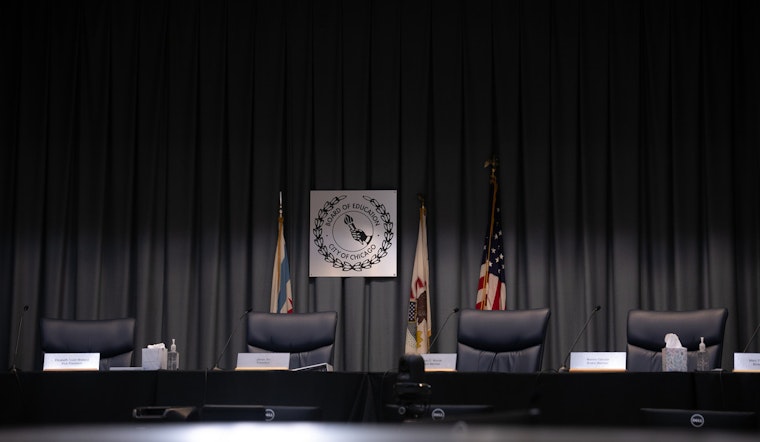
The newly appointed president of the Chicago Board of Education, Rev. Mitchell L. Ikenna Johnson, is facing intense scrutiny and widespread calls for resignation following revelations of his past social media posts about the Israel-Hamas conflict. Over half of the Chicago City Council members have denounced the comments as antisemitic and pro-Hamas, a report from CBS Austin states.
Specifically, controversy has engulfed Johnson over a December post that read, "My Jewish colleagues appear drunk with the Israeli power and will live to see their payment.” This uproar comes shortly after the resignation of the previous school board, with Johnson and six others appointed by Mayor Brandon Johnson as replacements. The American Jewish Committee and the Consulate General of Israel to the Midwest are among those to have also demanded Johnson to immediately step down, pointing to the need for leaders who do not perpetuate hate towards any community. Mayor Johnson, caught in the crossfire, has been criticized for not to have thoroughly vetted his appointees.
In response to the growing discontent, Rev. Johnson has issued an apology for his statements, acknowledging their insensitivity and the pain they have caused. "The remarks I posted were reactive and insensitive, and I am deeply sorry for not being more precise and deliberate in my comments posted last year," he said in a statement to WGN TV. Furthermore, Gov. JB Pritzker has proposed a more measured approach, suggesting that it may be prudent to await a fuller understanding of Rev. Johnson's current stance before passing judgment.
Amidst the ongoing dispute, Rev. Johnson has reaffirmed his commitment to fighting antisemitism and ensuring that hate of any kind is barred from the Chicago Public Schools. He stated, "As board president, I am committed to making sure that antisemitism and hate of any kind have no place in Chicago Public Schools." Despite his apology and affirmations of commitment, the aldermen's demand for Johnson to tender his resignation remains firm, suggesting the pressure is likely to remain heightened on the embattled board president and those who supported his appointment.




