

























































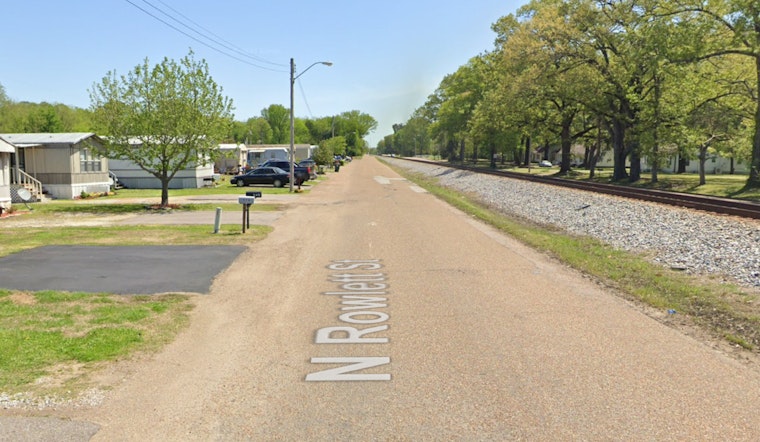
Rowlett Street is about to undergo long-overdue upgrades. The historic waterline beneath the street, installed long before many of us were born, is set for replacement—a project that aims to improve water flow and pressure, but also construction headaches until late 2025.
Last month, as reported by the Town of Collierville's official website, the local government approved a $1.8 million deal to update the aging infrastructure. Town Engineer Dale Perryman shed light on the necessity of the project, saying, “The existing water line was installed prior to 1950 and has reached the end of its design life.” Commuters and residents along North Rowlett Street have a staggered schedule of construction to look forward to, as the town aims to replace the outdated 6-inch water main with a new 8-inch ductile iron line.
Starting this month, workers will begin the first segment of the project on Abbington Road, from Poplar Avenue to Cooper Street. The good news for shop-goers: Abbington Road will stay open for business, even as backhoes and workers become a regular fixture. However, North Rowlett residents will face more challenges. The road there will shut to through traffic but locals will still have a route to their own driveways most of the time.
Fast forward to Spring 2025, and the second phase kicks off. Crews will lay pipe from Cooper Street to Walnut Street, with North Rowlett closing off to the general public in that stretch. The project will allow full driveway access to residents, barring short periods when construction blocks their way, and in those instances, the team plans to coordinate closely with homeowners to minimize disruption.
And for the final act, set to take stage in Summer 2025, attention turns towards North Rowlett Street and the adjacent alley to the west. It's during this time that critical connections between new and old pipes will force closures on Mulberry Street and North Rowlett for short spells—marking the culmination of a year's worth of modernization efforts. Once complete, water should flow more abundantly and reliably, ensuring this cornerstone of municipal infrastructure remains robust for decades to come.




