

























































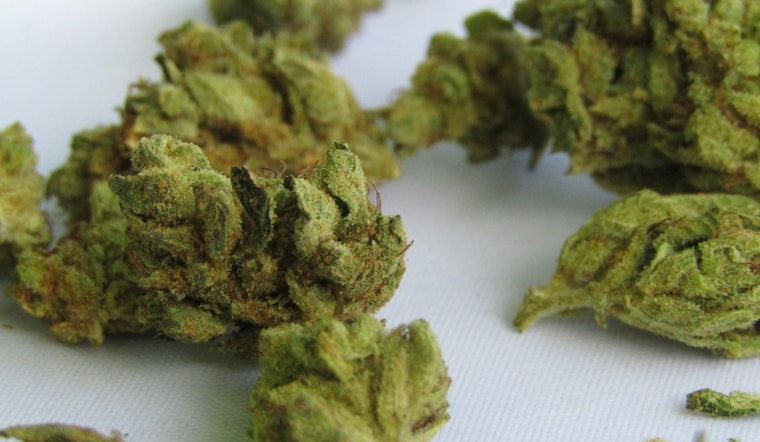
The conversation around cannabis reform has been gaining momentum, and the latest development comes from the federal government. President Joe Biden announced his intention to reclassify marijuana, moving it from Schedule I to Schedule III under the Controlled Substances Act. The reclassification signifies a shift in federal policy to acknowledge marijuana's medical utility and lower potential for dependence, a change that aligns with state-level reforms and burgeoning scientific research on the plant's benefits.
Rescheduling marijuana could pave the way for broader access and scientific exploration, but it does not come without its caveats. Under current laws, converting the status of cannabis to Schedule III would not alter its legality in states where it's presently banned, however, it would federally legalize marijuana for medical applications. Despite its legal status in 38 states and the District of Columbia for medical use and 24 states plus Washington for recreational use – rescheduling may complicate existing easy access mechanisms such as D.C.'s self-certification for medical marijuana cards. Instead, a doctor's prescription would become a prerequisite, leading to a potential hit to medical dispensaries operating without FDA licenses.
According to Chris Meyers, an Adjunct Professor of Philosophy at George Washington University, in a statement obtained by The Phoenix New Times, "Rescheduling, however, would give medical marijuana legitimacy as a bona fide medicine." This move could also facilitate research into valuable therapeutic applications for conditions ranging from chronic pain and multiple sclerosis to glaucoma and PTSD. Current placement in the Schedule I category, as Meyers notes, "severely hampers research," leaving untapped the potential for significant medical breakthroughs.
While the shift in policy is heralded as a major step forward, challenges remain, including the ongoing criminal penalties associated with marijuana. The American Civil Liberties Union (ACLU) has recognized Biden's announcement as a key victory but insists more reform is necessary to mitigate the harms caused by long-standing unfair marijuana laws. "President Biden's decision to reschedule marijuana is the most significant step any American president has taken to address the harms of the war on marijuana," said Cynthia W. Roseberry, director of policy and government affairs at the ACLU's Justice Division, in an interview with ACLU. Roseberry further advocated for state officials to decriminalize marijuana, pointing out the necessity of reinvesting in communities disproportionately affected by over-criminalization and over-policing.
Current racial disparities in marijuana possession arrests indicate the uneven impact of the war on drugs – one, that affects Black individuals three times more than their white counterparts, despite similar usage rates. In light of these disparities and overwhelming evidence suggesting marijuana's benefits, the ACLU has called on Congress to pass comprehensive legislation, such as the Cannabis Administration and Opportunity Act (CAOA) and the Marijuana Opportunity Reinvestment and Expungement (MORE) Act. As Nina Patel, senior policy counsel at the ACLU's Justice Division, told ACLU, these policies aim to "remove federal criminal penalties for marijuana and provide criminal history record clearing and necessary investments in communities disproportionately targeted for criminalization."





