

























































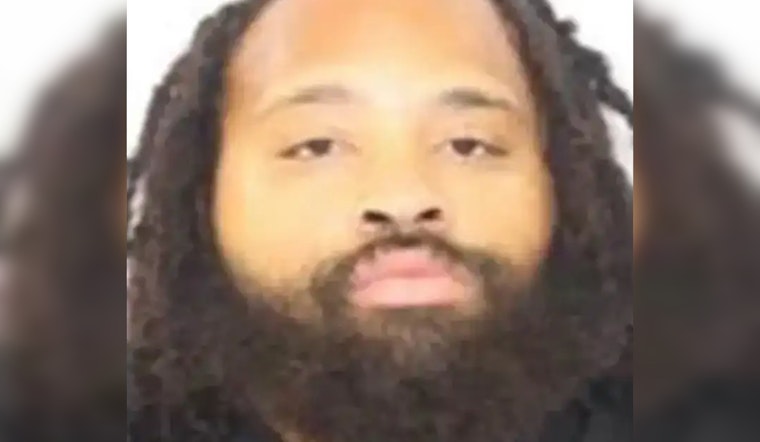
Keanan Turner, a 35-year-old man from Clinton, Maryland, was sentenced to 68 years for the cold-blooded murders of Ebony Wright, the mother of his child, and her mother, Wanda Wright. U.S. Attorney Matthew M. Graves and Metropolitan Police Chief Pamela A. Smith announced the sentence, reflecting a strong response to the brutal crimes that shook the community. Turner's actions, which also included the shooting of a third victim, the attempted murder of an infant, and arson, have now come to a close in a court of law.
Throughout a trial that revealed the cold calculations of a man determined to avoid responsibility at any cost, the evidence echoed long after the witnesses left the stand. The justice system bore witness to Turner's violent campaign against those bound to him by blood and love. His actions culminated on April 12, 2021, in an apartment filled with family, fire, and the silent cries of a future he sought to erase. Turner was found guilty on multiple counts, including two first-degree murder charges, assault with intent to kill, and several firearms-related offenses, according to documents from the U.S. Attorney's Office for the District of Columbia.
D.C. Superior Court Judge Maribeth Raffinan delivered the sentence on Friday, opting for a substantial 68 years over the life sentence proposed by the government, a decision likely weighing heavily on the fact of two murders and the defendant's apparent indifference to the life of an infant.
Turner's reprehensible actions were detailed in harrowing court records. He met with Ebony Wright under the guise of reconnecting with his child, only to unleash violence so severe it reverberated through lives and legal briefs alike. As Ebony held their son, Turner shot her, then proceeded to murder her mother and attempt the same on another female relative. His actions set the stage for a potential generational wipeout, which was mercifully incomplete, as the relative managed to save the child and seek help. The dedicated efforts of Assistant U.S. Attorneys Jack Korba, Miles Janssen, and Emma McArthur built a case that underscored a larger narrative: a justice system confronting a horrific injustice and rising to the task, as noted by the U.S. Attorney’s Office.





