

























































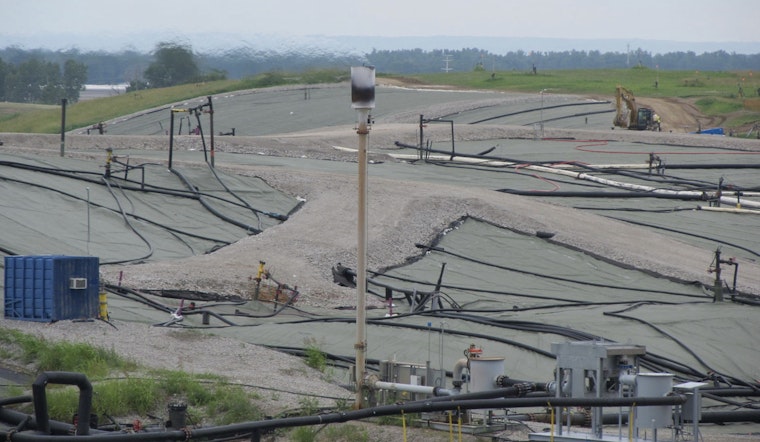
In response to the ongoing effects of historical nuclear weapons manufacturing in the St. Louis area, the Missouri House is establishing a specialized committee to examine the social, health, and environmental impacts of radioactive waste in the region. House Speaker Dean Plocher announced the creation of the Special Interim Committee on the Impact of U.S. Nuclear Weapon Programs on Missouri, which aims to incorporate insights from lawmakers, medical professionals, environmental scientists, and community members who have experienced the nuclear legacy, according to a news release reported by KSDK.
The committee, chaired by Rep. Tricia Byrnes, aims to investigate the extent of the issue surrounding radioactive materials mishandled after World War II, which continue to affect areas such as Coldwater Creek and West Lake Landfill. Remediation efforts for Coldwater Creek are expected to extend until 2038 under the U.S. Army Corps of Engineers, while the Environmental Protection Agency oversees efforts at the landfill to develop a decontamination plan. The history of the waste includes incidents of negligence, such as waste falling off trucks and deteriorating barrels that released radioactive substances into the local environment, as reported by FOX 2 Now.
The committee's first meeting is set for October 15 at the Spencer Creek Library in St. Peters. This gathering will bring together various stakeholders focused on addressing the contamination issues and developing a legislative plan. The committee includes representatives from both political parties, such as Vice-Chair Rep. Mark Matthiesen and Ranking Minority Member Rep. Raychel Proudie, and will hear testimonies from individuals directly affected by the waste, as documented by St. Louis Business Journal.
"We must take a comprehensive approach to address the lasting impact of nuclear weapons production in Missouri," Rep. Byrnes said, emphasizing the need for careful consideration and action to address the long-standing impacts of historical atomic activities. This sentiment was reflected by Dean Plocher, who acknowledged Missouri's extensive history with nuclear weapons production and the state's responsibility to address these issues directly, as noted by KSDK.




