

























































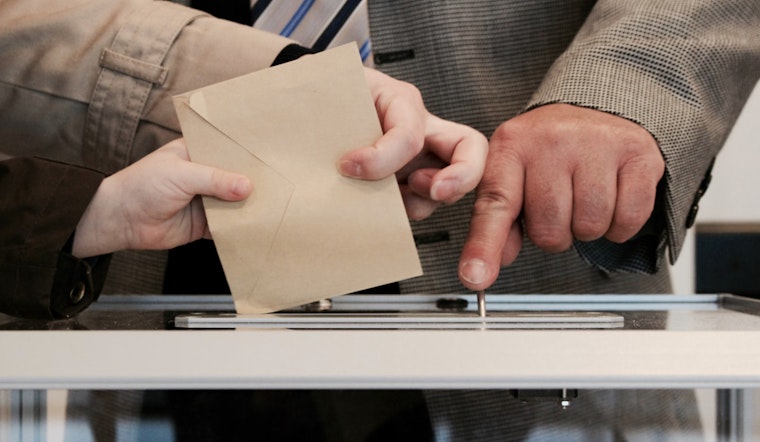
As the United States approaches the November elections, voters in Nebraska and Arizona will consider competing ballot measures that could affect state laws on abortion and elections. According to FOX 10 Phoenix, in Nebraska, initiatives are being proposed to establish a fundamental right to abortion until fetal viability and to incorporate current restrictive abortion laws into the state constitution. If both measures are approved, the outcome may be determined by the courts.
In Arizona, voters may decide on an amendment that could alter the current partisan primary system, allowing for open primaries where multiple candidates from any party could advance to the general elections. According to the state constitution, if both competing measures pass, the one with the highest number of votes will take priority in conflicts, although the details may lead to a partial merging of their provisions. Michael Gilbert, vice dean of the University of Virginia School of Law expressed that such conflicting ballot measures "arise frequently enough, and the highest-vote rule is applied frequently enough that it merits some consideration," in a statement obtained by FOX 10 Phoenix.
At the same time, the country is preparing for potential legal disputes regarding the 2024 presidential election results. According to AP News, numerous lawsuits are currently in progress, addressing issues such as mail-in ballots, election certification, and claims of ineligible voters casting ballots. Former President Donald Trump has engaged his supporters in anticipation of a "landslide" victory, while facing federal criminal charges related to the 2020 election.
Democrats are responding to concerns that election deniers might utilize official positions to interfere with standard voting procedures. Michael Waldman, president of the Brennan Center for Justice told AP News, the "election denialist impulse is far more organized, far more strategic and far better funded." With recent updates to the Electoral Count Reform Act, disputes over certifying the vote promise swift legal resolution, though the potential for chaotic litigation persists. Wendy Weiser, vice president for democracy at the Brennan Center cautions, "Even if they’re unsuccessful, those efforts can fuel conspiracy theories and “contribute to chaos and delays."
The intersection of these contentious ballot measures and the presidential election indicates a complex interplay of political, legal, and democratic processes that may extend beyond the November voting. In response to these challenges, both voters and officials are preparing for a significant examination of the American electoral system.





