

























































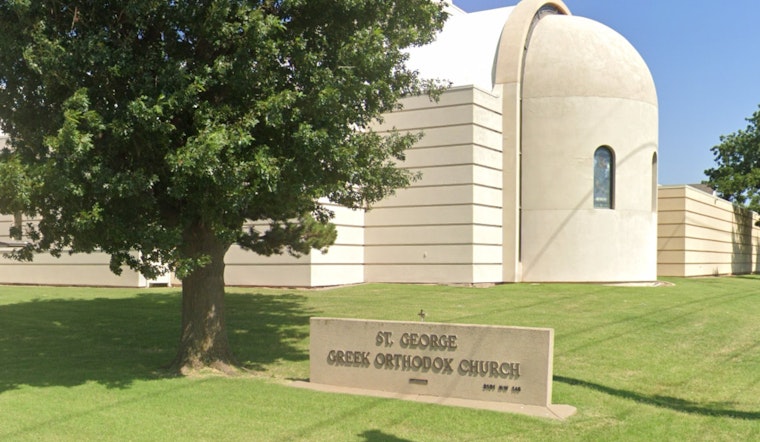
The weekend in Oklahoma City finds locals and visitors alike embracing Hellenic culture at the St. George Greek Orthodox Church's 41st annual Greek Festival. Father John Tsaras highlighted the event's significance, saying, "They really appreciate our culture, and they get to be Greek for a day or a weekend," in a statement obtained by KOCO News. The festival runs today from 10 a.m. to 10 p.m. and tomorrow from 11 a.m. to 4 p.m., inviting guests to indulge in a slice of Greek hospitality and heritage.
Year after year, the community response to this lively event is overwhelmingly positive. With the festival originally starting as a church fundraiser, it has blossomed into a full-fledged cultural immersion, complete with live music, entertainment, and authentic Greek cuisine. Irene Gianos, a church member, expressed the recurring enthusiasm, telling KFOR, "People come year after year." Hungry festival-goers lined up early yesterday morning, gearing up for a weekend that pledges to be replete with savory pastries and a bevy of other traditional Greek foods.
The scope of the festival is a testament to the pride the Greek community holds in their cultural roots. Margo Gianos, participating in the festivities, spoke with News 9 and emphasized the significance of the celebration: "We as Greeks are so proud to be Greek, if you come to the festival, you'll see that we are proud of our heritage." The undeniable pride shines not only through the event's traditional dances and music but is also palatably present in their array of dishes, featuring koulourakia, baklava, and souvlaki, alongside several imported items.
The festival's allure doesn't just lie in the hearty treats and vibrant entertainment, each aspect of the event is an invitation to experience Greece by walking down the streets of Oklahoma City. Drawing on familial and historical connections, Father Tsaras reminisced about his heritage, telling KOCO News, "My father was born in Drama, Greece. My mother was born in Brooklyn, but her parents, my grandfather was born in Constantinople, back when it was Constantinople, the name changed in the 1920s." His personal history, interwoven with the modern fabric of the church's community, presents attendees not just a day but a narrative alive with cross-generational threads.





