

























































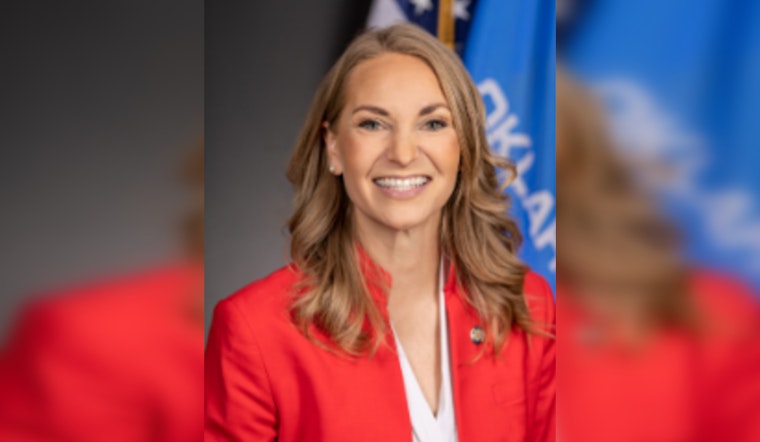
State Medicaid patients could potentially gain coverage for the Omnipod insulin pump if ongoing negotiations in Oklahoma bear fruit. Sen. Carri Hicks, co-chair of the Legislative Diabetes Caucus and mother to a child with Type 1 diabetes has spotlighted the issue, based on a Senate Retirement and Insurance Committee interim study she requested. Omnipod is a tubeless insulin delivery device, praised for its ease of use and positive health outcomes. Hicks has seen these benefits firsthand in her son's health, according to the Oklahoma Senate's official press release.
Oklahoma is the lone holdout in the region that does not cover the Omnipod for Medicaid recipients, a gap Hicks is determined to close. "Oklahoma continues to be the only one in our regional pool who is not adding some form of coverage for the Omnipod. That means folks here have fewer choices to manage their health conditions," Hicks stated. She argues this issue is not just about access but about cost-saving through prevention of medical complications related to diabetes, as reported by the Oklahoma Senate.
Offering personal testimony, Amber Clour, a Type 1 diabetes patient for over four decades, founder of the Diabetes Daily Grind website and host of the Real Life Diabetes podcast, described her improved health after switching to the Omnipod. Previously on Medicaid and unable to get coverage for the device, Clour's health transformed with private insurance. She conveyed to the committee, "Every person living with diabetes should have the opportunity to have the health care they need," highlighting her blood glucose control jumped from 37% to 88% with the Omnipod, as per the Oklahoma Senate's press release.
Insulet representative Ryan Bucalo, backing these narratives with data, reported a 70% decrease in hospitalizations and emergency visits among Omnipod users, translating into potential cost savings for health plans. Further underscoring the practicality of the device, Hicks recounted an incident where an older insulin pump model led to a medical crisis, something she asserts would not occur with the modern and user-friendly Omnipod. Critically, the Oklahoma Senate's release indicates that negotiations regarding coverage began on Oct. 1, facilitating potential future legislative action.
While the Oklahoma Health Care Authority acknowledged the need for a dedicated funding stream to cover the costs of the Omnipod, Hicks emphasized that the improved quality of life and reduced long-term medical expenses would outweigh these initial costs. Hicks remains optimistic about reaching a resolution without the need for legislative intervention. However, she is prepared to take the necessary steps to ensure that all Oklahomans have access to the Omnipod and its associated health benefits, demonstrating a proactive stance on behalf of her constituents.





