

























































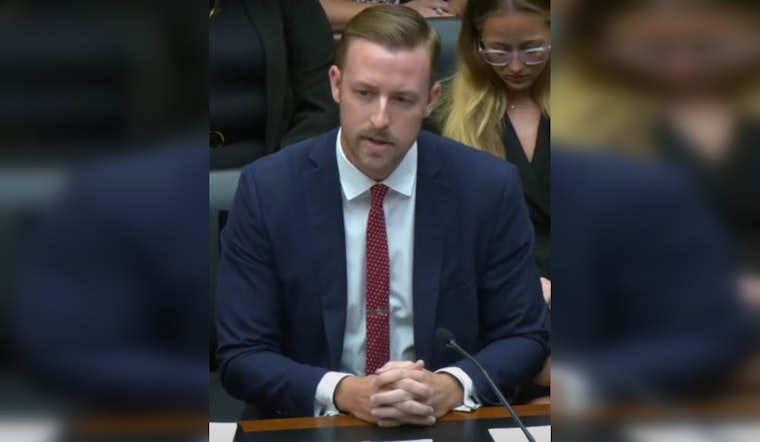
More than 30 Oklahomans, encompassing parents, children, public school teachers, and faith leaders have filed a lawsuit against state Superintendent Ryan Walters, seeking to block a mandate that requires all public schools to incorporate the Bible into their curricula. As reported by The Oklahoman, the group of plaintiffs, which also aims to stop the state from spending an estimated $3 million on Bibles, has taken their grievance to the Oklahoma Supreme Court. The move comes in response to actions by Walters, characterized by the plaintiffs as an extremist agenda that impinges upon individual religious freedom and blurs the line separating church and state.
The plaintiffs include a diverse swath of community figures, from the lead plaintiff Rev. Lori Walke, a faith leader who emphasizes the freedom for individuals to "choose their own spiritual path", to education advocates like Erika Buzzard Wright, and families concerned about the impact of religious education on their children's schooling. “I’m proud to join this lawsuit because I believe Superintendent Walters’ plan to use taxpayer money to buy Bibles and force public schools to teach from them is illegal and unconstitutional," Walke told The Oklahoman in a statement.
Superintendent Walters, on the other hand, stands by the mandate, insisting upon the historical and cultural significance of the Bible in American education. In a statement garnering critique, he dismissed the concerns of the opposition, stating, "Oklahomans will not be bullied by out-of-state, radical leftists who hate the principles our nation was founded upon," reported by KOCO. Walters asserts a confidence in his legal position despite the lawsuit's contentions that the mandate violates the Oklahoma Constitution's protections of religious freedom, the government's expenditure of public money on religious instruction, and its favoritism towards one religion.
The legal challenge is represented by several civil liberties organizations, including Americans United for Separation of Church and State, the ACLU, and the Freedom From Religion Foundation. Plaintiffs, bringing forward concerns ranging from denominational diversity to potential school bullying related to religious teachings, call upon the court for swift action to halt Walters' mandate and prevent the purchase of Bibles designated for public schools, which, according to ACLU's press release, not only violate constitutional precepts but could also serve as fodder for discrimination and division within the school environment.
The complexities of this case reflect the broader national debate on the role of religion in public spaces, particularly within educational systems that serve children of varied backgrounds and beliefs. The Oklahoma Supreme Court's decision on the matter will not only influence the state's educational policy but also likely resonate across the nation, as other states observe the outcomes of such a contentious intersection of education, law, and religious freedoms.





.png)