

























































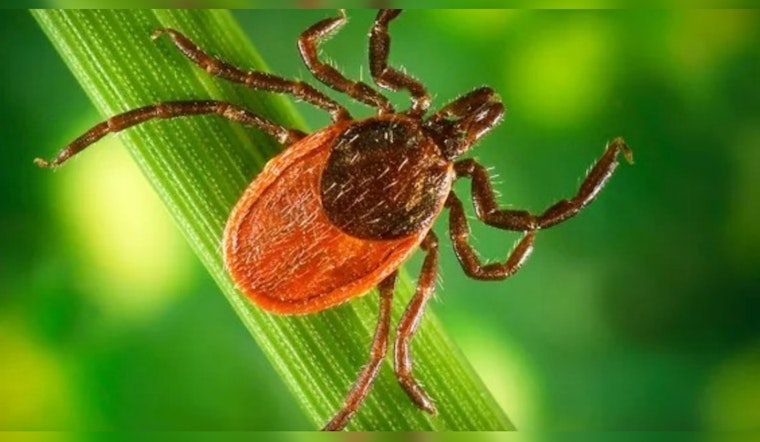
A rare tickborne illness has surfaced in Illinois for the first time, ringing alarm bells for health officials and anyone fond of wooded areas. In a recent statement, the Illinois Department of Public Health (IDPH) confirmed the detection of a black-legged tick carrying Ehrlichia muris eauclairensis (EME), a bacteria responsible for human ehrlichiosis. The infected tick, discovered in Lake County, was detected through the state's persistent efforts in tick surveillance.
The tick in question was collected back in May by diligent staff from the Lake County Health Department, as part of IDPH's Environmental Health Tick Surveillance Grant program. Subsequent testing by the CDC confirmed the presence of EME. Fueled by funding, IDPH's continuing surveillance includes testing ticks for multiple illnesses, such as Lyme disease and anaplasmosis. Ehrlichiosis, although readily treatable with antibiotics like doxycycline, can spiral into severe illness if neglected.
Healthcare providers, particularly in Northern Illinois, have been put on notice regarding this new threat. "The discovery of the first tick in Illinois carrying EME, a rare and serious disease, is a great reminder of the importance of our active tick surveillance program in Illinois," said Dr. Sameer Vohra, IDPH Director, emphasizing the potential severity of tickborne illnesses if left untreated. Residents are advised to be vigilant of tick exposure symptoms, including fever and muscle aches, and to promptly seek medical attention if they occur.
With this discovery, just ahead of the 2024 Illinois Tickborne Disease Conference on October 22nd, urgency underscores the event's pertinence. A collaborative effort by the IDPH, the Southern Illinois University School of Medicine, and the Illinois Lyme Association, the conference aims to disseminate current knowledge and prevention tactics to combat these diseases.
Suppressing the spread of tickborne diseases also hinges on public awareness and self-care. The IDPH advocates for robust outdoor safety measures, advising residents to adhere to preventive practices like using effective repellents, performing regular tick checks, and dressing appropriately when venturing into tick territories. For individuals seeking guidance on tick removal or symptom recognition, resources are available on IDPH's website. Additionally, the IDPH encourages the use of its interactive Tick Surveillance Map for updated information on tick populations and the diseases they may carry within Illinois.




