

























































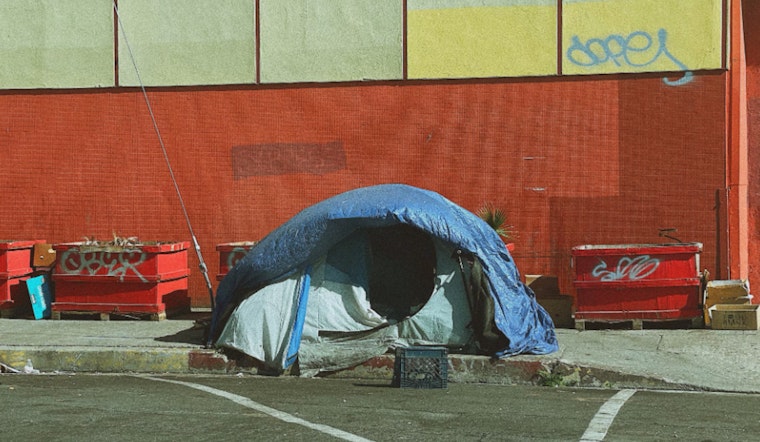
In a sweeping decision by the Supreme Court, cities across the nation are now permitted to enforce bans on homeless individuals sleeping in public spaces, even when there are no available shelter spaces. This significant ruling overturns a prior decision by a California appeals court that labeled such laws as cruel and unusual punishment in the absence of sufficient shelter, according to AZ Family. The case presents the most noteworthy development regarding the rights of homeless individuals before the high court in years.
The breakdown of the decision was 6-3, following ideological divisions within the court. The majority opinion, written by Justice Neil Gorsuch, did not ignore the complexities of homelessness or the multifaceted public policy approaches it demands. "A handful of federal judges cannot begin to 'match' the collective wisdom the American people possess in deciding 'how best to handle' a pressing social question like homelessness," Gorsuch stated, providing a glimpse into the court's rationale. Justices siding with the majority suggested that individuals penalized under such bans could claim a "necessity defense," as detailed by AZ Family.
However, not all reactions to the ruling have been in favor. Justice Sonia Sotomayor, dissenting alongside her liberal colleagues, stressed, "Sleep is a biological necessity, not a crime," further warning that the eradication of Eighth Amendment arguments against camping bans is unlikely to end debates over these ordinances. Echoing her concern, Los Angeles Mayor Karen Bass criticized the majority's stance, emphasizing that cities should not "attempt to arrest their way out of this problem or hide the homelessness crisis in neighboring cities or in jail." Instead, she advocates for a strategy that connects those affected with housing and services, as reported by AZ Family.
On the ground, the implications of the Supreme Court's decision reverberate beyond the courtroom. In the wake of the ruling, Deyanira Nevárez Martínez, Assistant Professor of Urban and Regional Planning at Michigan State University, argued against bans on public camping. "Homelessness is a rare issue in American politics that does not cut neatly along party or ideological lines," she mentions, indicating a broader, unanimous issue that transcends political affiliations, as outlined by Phoenix New Times. According to analyses she supports, criminalizing homelessness could lead to increased arrests, instability, and trauma for those without homes rather than providing them with the necessary aid.
The alternative proposed is a comprehensive approach, known as Housing First, that centers on quickly providing permanent housing to individuals experiencing homelessness, devoid of prerequisites like sobriety, employment, or mental health treatment. Studies have shown this method to be more effective and cost-efficient in the long term. Meanwhile, the federal government's Department of Housing and Urban Development's Continuum of Care program has allocated a historic $3.16 billion to efforts addressing homelessness — an indication that while the high court's ruling holds jurisdictional sway, on-the-ground solutions are being pursued with vigor to curb the homelessness crisis in a manner that is both humane and practical.





