

























































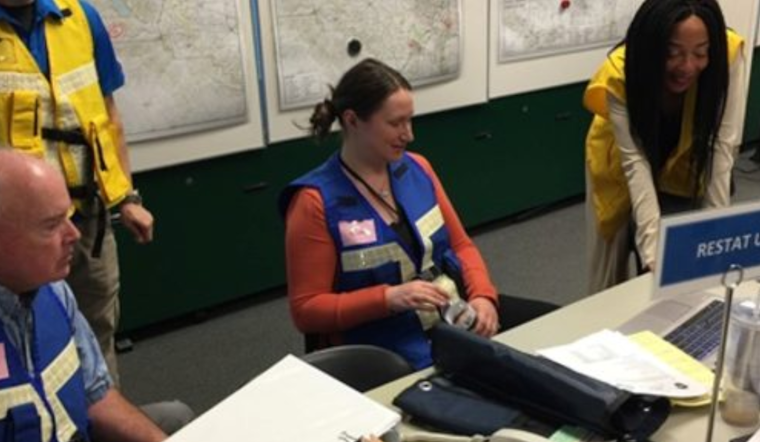
As the specter of an overdue megaquake looms over the Pacific Northwest, emergency crews and agencies in Washington County are taking proactive steps to ensure readiness through the state-wide disaster response drill named "IronOR." The exercise, happening today and tomorrow, is a multilayered simulation that involves the Oregon Department of Emergency Management and multiple local agencies, as reported by Washington County.
This drill envisions the aftermath of a catastrophic magnitude 9.0 earthquake striking along the well-known Cascadia Subduction Zone, alerting authorities to anticipate a situation where they must navigate the complexities of rescue and recovery in the quake's aftermath; on it, the IronOR initiative fosters interagency collaboration and aims to streamline the flow of critical information to policymakers, for, undeniably, in such harrowing times, clear communication is crucial for effective disaster management.
Participants are expected to hone in on critical areas such as human services, focusing on sheltering, public information, and communications, all within the challenging context of coordinated inter-agency operations. The underlying goal is to critically examine and update existing earthquake response plans based on the insights gained from this drill. "The IronOR exercise provides Washington County and other response and recovery partners with the opportunity to test our plans and coordinate our efforts," according to Washington County. John Wheeler, Washington County Emergency Management's manager, highlighted the value of these simulations.
The drill is not merely an abstract precaution; the Cascadia Subduction Zone has historically been the epicenter of significant seismic activity, with experts stating a major earthquake occurs roughly every 300 years – with the last major incident recorded over 324 years ago, this region braces for what seems to be an inevitable geological event, and while agencies prepare at the macro level, individuals and households are urged to devise their survival strategies that must include adequate supplies, communication plans, and safe meeting locations in the likely event that a natural disaster of this scale disrupts the very fabric of daily life for an extended period.




